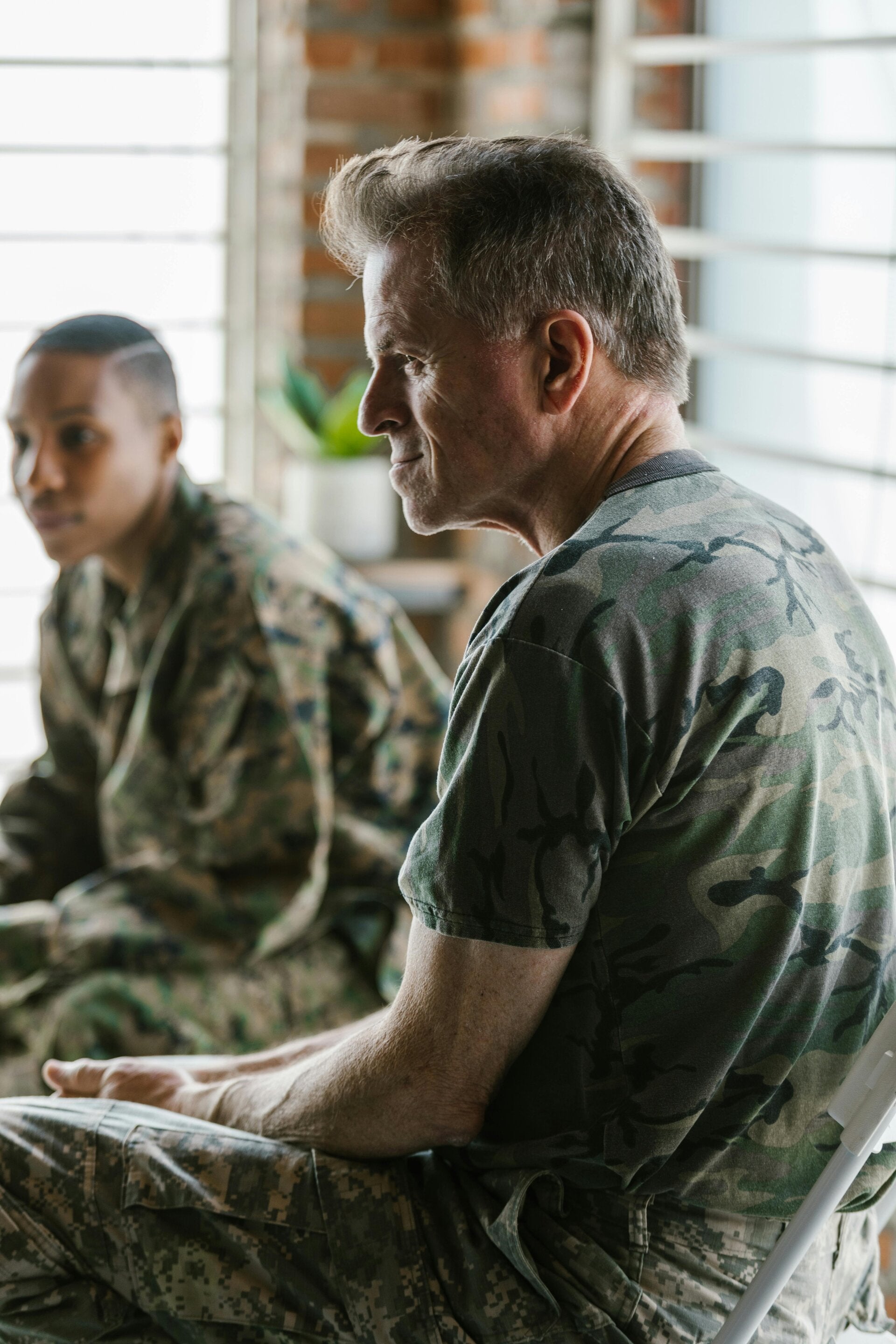
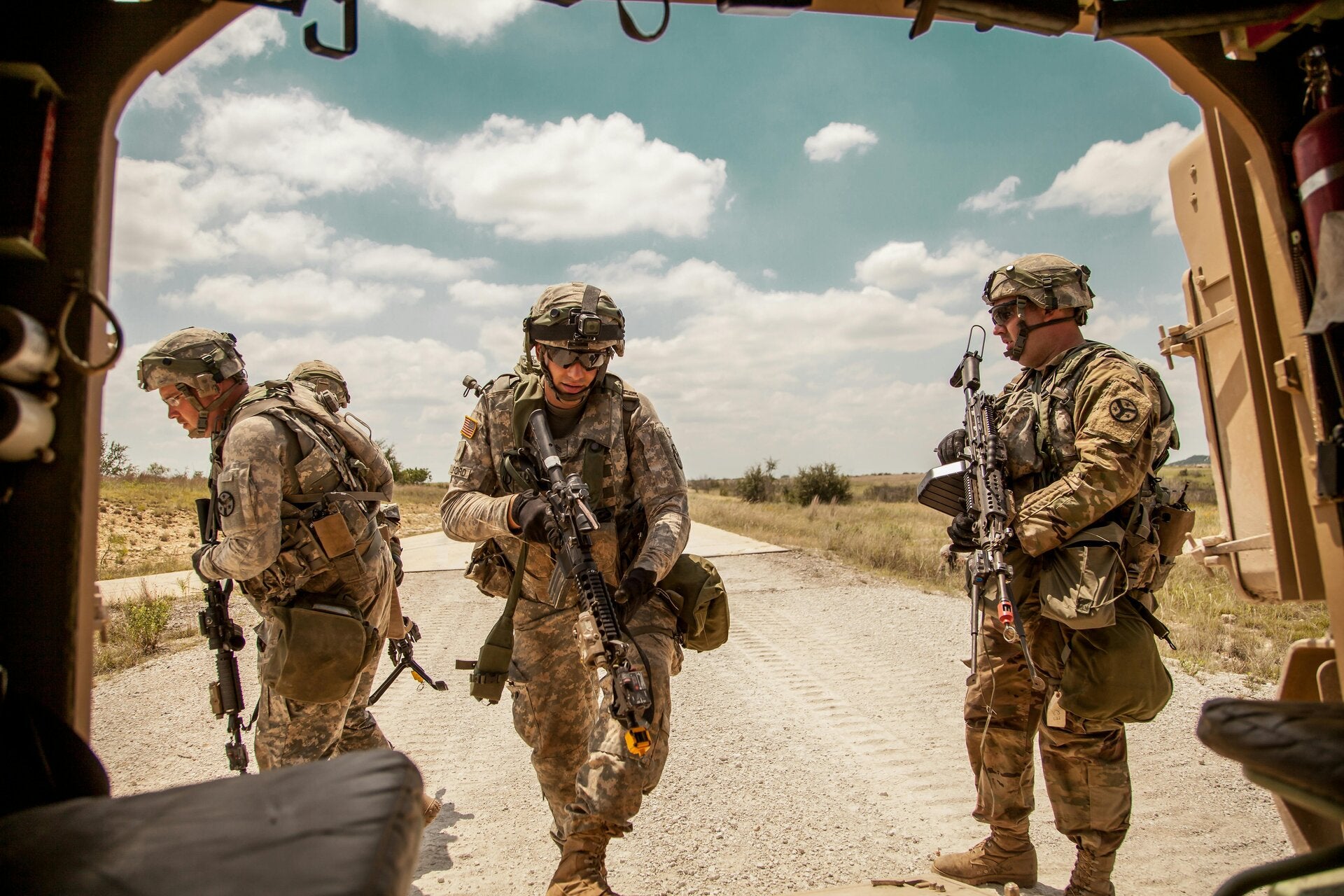
A nation is often judged by its power, its economy, or its influence on the world stage. Yet history teaches us that the truest measure of a nation is not found in its wealth or military might, but in how it treats those who were willing to sacrifice everything in its defense. Veterans carry the weight of service long after the uniform is folded away, and how we care for them speaks volumes about our national character.
Military service demands discipline, courage, and selflessness. Veterans swear an oath to protect freedoms that many will never personally have to defend. When their service ends, that oath does not dissolve the responsibility of the nation they served. Instead, it transfers the duty of care from the individual to the collective.
For too many veterans, the transition to civilian life is filled with challenges. Housing insecurity, unemployment, and lack of access to resources can follow years of honorable service. These struggles are not a reflection of weakness, but of gaps in systems that were never designed to fully support life after service. A nation must be willing to confront these realities honestly.
Housing is one of the most fundamental needs. Without a stable place to live, it becomes nearly impossible to rebuild a life, pursue employment, or focus on personal growth. When veterans find themselves homeless or living in shelters, it is not merely a social issue—it is a moral one. A nation that allows its veterans to remain without shelter must reexamine its priorities.
Employment and economic stability are equally critical. Veterans bring leadership, reliability, and resilience to the workforce, yet many struggle to translate military experience into civilian careers. When proper support is provided, veterans do not just fill jobs—they elevate workplaces and strengthen economies. Investing in veteran employment is an investment in national strength.
Entrepreneurship offers another powerful path forward. Many veterans possess the discipline and strategic thinking needed to build successful businesses. When veterans are given the tools, education, and mentorship to create enterprises of their own, they become job creators, community leaders, and contributors to long-term economic growth.
Beyond housing and employment, veterans often face the challenge of rediscovering purpose. Life after service can feel unstructured compared to the clarity of military roles. Programs that focus on life skills, personal development, and accountability help veterans regain confidence and direction, reinforcing independence rather than dependence.
Caring for veterans is not an act of charity—it is an act of responsibility. These men and women upheld their duty without hesitation. In return, society must uphold its duty with the same seriousness. Respect is not demonstrated through words alone, but through sustained action and thoughtful support.
Communities play a vital role in this responsibility. Local organizations, businesses, and individuals are often closest to the needs of veterans. When communities engage directly—offering resources, partnerships, and advocacy—they become active participants in honoring service rather than distant observers.
Patriotism must extend beyond symbols and ceremonies. True patriotism is demonstrated in policies, programs, and partnerships that restore dignity and opportunity to veterans. It is found in the quiet work of ensuring that no veteran is left behind once their service is complete.
When veterans are supported, entire communities benefit. Stable housing reduces strain on public systems. Meaningful employment strengthens local economies. Empowered veterans become mentors, leaders, and examples of resilience. The return on caring for veterans is measurable, lasting, and profound.
In the end, the true measure of a nation is revealed not in moments of celebration, but in moments of responsibility. How we care for our veterans reflects who we are and what we value. To honor service is to act, to restore, and to ensure that those who defended our freedom are met with the dignity they have earned.