When veterans return home, they do not leave their strength behind. They carry it with them—etched into their discipline, resilience, and deep sense of responsibility. Alongside that strength, however, often comes an invisible weight. The modern veteran steps back into a familiar world that can feel profoundly different, and the transition from service to civilian life can be one of the most difficult challenges they face.
Military service requires an exceptional level of mental and emotional endurance. Veterans are trained to remain alert under constant pressure, make critical decisions in moments, and place the mission above personal comfort. While these traits are essential in service, they do not always translate easily into civilian life, where structure is less defined and challenges are more subtle but still impactful.
Mental health challenges among veterans are not signs of weakness. They are natural human responses to extraordinary circumstances. Experiences such as post-traumatic stress, anxiety, depression, and moral injury often stem from prolonged exposure to danger, loss, and high-stress environments. These struggles can emerge long after service has ended, catching many veterans off guard.
Silence remains one of the greatest barriers to healing. Many veterans were conditioned to suppress emotion and push through pain. While this mindset can be lifesaving in combat, it can become damaging at home. Avoiding conversations about mental health often leads to isolation, strained relationships, and the belief that asking for help is a personal failure.
Returning veterans also face a society that does not always understand their experiences. Simple expressions of gratitude, though sincere, can feel incomplete when they are not followed by meaningful support. Veterans may find it difficult to explain their realities to family, friends, or employers who have never lived within the structure and demands of military life.
Purpose and employment play a critical role in mental well-being. Many veterans miss the clarity of mission and the bond of camaraderie found in service. Without a sense of direction or contribution, feelings of loss or restlessness can take hold. When veterans are given opportunities to lead, build, and serve again, their mental health and sense of identity often strengthen.
Access to mental health care continues to be a serious concern. Although resources exist, navigating complex systems can feel overwhelming, especially for those already facing emotional distress. Long wait times, stigma, and a lack of veteran-informed care can discourage individuals from seeking the help they need.
Peer support has proven to be one of the most powerful tools for recovery. Veterans supporting veterans creates a space built on trust and shared understanding. In these environments, stories can be shared freely, struggles can be acknowledged without judgment, and connection replaces isolation.
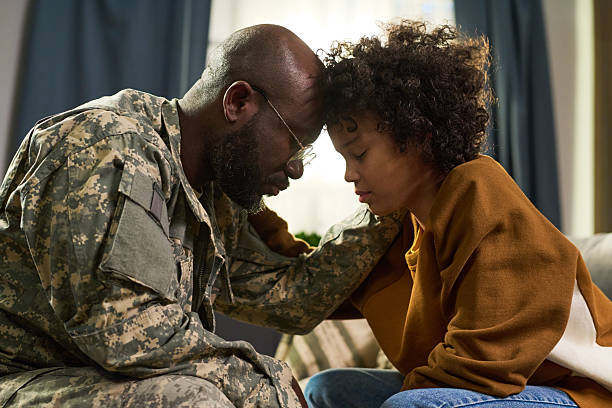
Families are also deeply affected by the mental health challenges veterans face. Spouses, children, and loved ones often witness changes they do not fully understand, yet their role is essential. When families are educated and supported, veterans are more likely to seek help and maintain long-term stability.
Veterans should never be defined solely by their struggles. They bring leadership, adaptability, and problem-solving skills into their communities every day. When mental health is addressed with respect and compassion, veterans thrive as business owners, mentors, advocates, and community leaders.
Supporting veteran mental health is a shared responsibility. Communities, employers, policymakers, and service organizations all have a role to play. Creating supportive workplaces, offering flexibility, and investing in long-term solutions are meaningful ways to honor service beyond words.
The strength veterans carried home is real and enduring, but it should not be carried alone. By acknowledging mental health as part of the true cost of service and responding with action and understanding, society can help veterans build lives rooted in purpose, stability, and peace. Honoring veterans means standing with them long after the uniform comes off.



Add comment
Comments