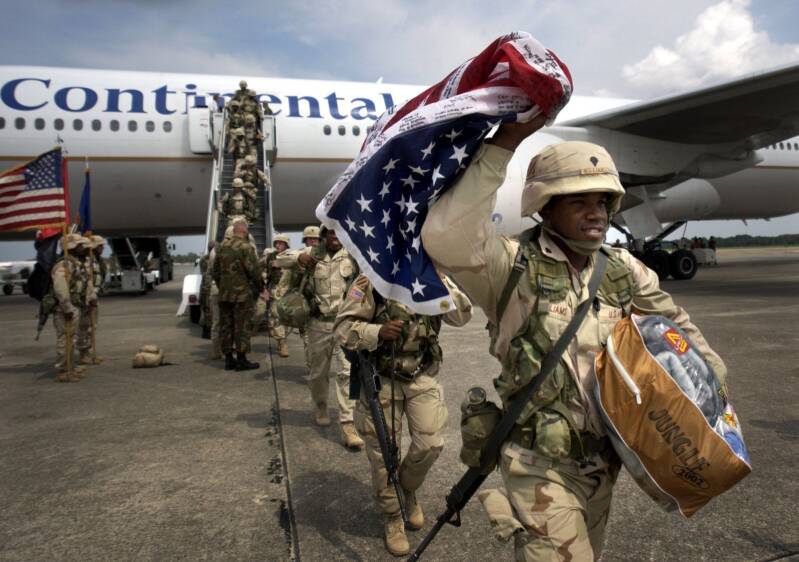
For many veterans, the most difficult battle does not end overseas—it begins the moment they return home. The transition from military service to civilian life can feel disorienting, isolating, and overwhelming. Structure disappears, missions end, and the sense of purpose that once defined daily life can fade. For countless veterans, rebuilding a meaningful civilian identity becomes an uphill climb.
Military service instills discipline, leadership, resilience, and accountability—qualities that are invaluable in civilian society. Yet these strengths are often overlooked or misunderstood in traditional employment settings. Veterans may struggle to translate their experience into resumes, interviews, and corporate cultures that operate very differently from the military environment.
This disconnect often leads to underemployment, financial stress, and frustration. In some cases, it contributes to deeper issues such as depression, anxiety, and loss of self-worth. The challenge is not a lack of ability, but a lack of pathways that truly honor and utilize the skills veterans already possess.
Entrepreneurship offers one of the most powerful pathways for veterans to reclaim control of their futures. Business ownership allows veterans to apply their leadership training directly, make strategic decisions, and operate with autonomy. Instead of trying to fit into systems that were not designed for them, veterans can build systems of their own.
Through entrepreneurship, veterans rediscover mission-driven living. A business becomes more than a source of income—it becomes a renewed sense of purpose. Setting goals, overcoming obstacles, and leading teams mirrors the structure and responsibility many veterans thrived under during their service.
Veteran-focused entrepreneur programs play a critical role in making this transition successful. These programs provide business education, mentorship, financial literacy, and access to startup capital. More importantly, they offer guidance from people who understand both military culture and the realities of civilian business.
Mentorship is especially impactful. Veterans benefit greatly from learning alongside fellow service members who have successfully navigated the entrepreneurial journey. This shared understanding fosters trust, accountability, and confidence—elements that are often missing when veterans attempt to transition alone.
Entrepreneurship also supports mental and emotional healing. Building a business creates routine, responsibility, and a forward-looking mindset. Veterans are no longer defined by what they left behind, but by what they are actively building. This sense of progress can be deeply restorative.
Financial independence is another critical outcome. Veteran-owned businesses reduce reliance on unstable employment and offer long-term economic stability. Over time, these businesses can grow to support families, create jobs, and contribute meaningfully to local economies.
Communities benefit when veterans become entrepreneurs. Veteran-owned businesses often emphasize integrity, service, and community responsibility. These enterprises strengthen neighborhoods, inspire other veterans, and demonstrate the value of investing in veteran-led economic development.
It is important to recognize that entrepreneurship is not a handout—it is an investment. Veteran entrepreneur programs succeed because they empower rather than enable. They provide tools, not dependency, and cultivate confidence rather than charity.
When society shifts from simply thanking veterans to actively equipping them, lives change. Entrepreneurship restores dignity by allowing veterans to define success on their own terms. It transforms survival into leadership and struggle into legacy.
The battle after the battlefield does not have to be fought alone. With the right support, training, and opportunity, veterans can channel their service experience into thriving businesses and renewed purpose. These programs do more than build companies—they rebuild lives.
Helping veterans rebuild through entrepreneurship is not only a moral responsibility, but a national opportunity. When veterans succeed as business owners, everyone benefits. By investing in veteran entrepreneur programs, we honor service with action and replace uncertainty with possibility.




Add comment
Comments