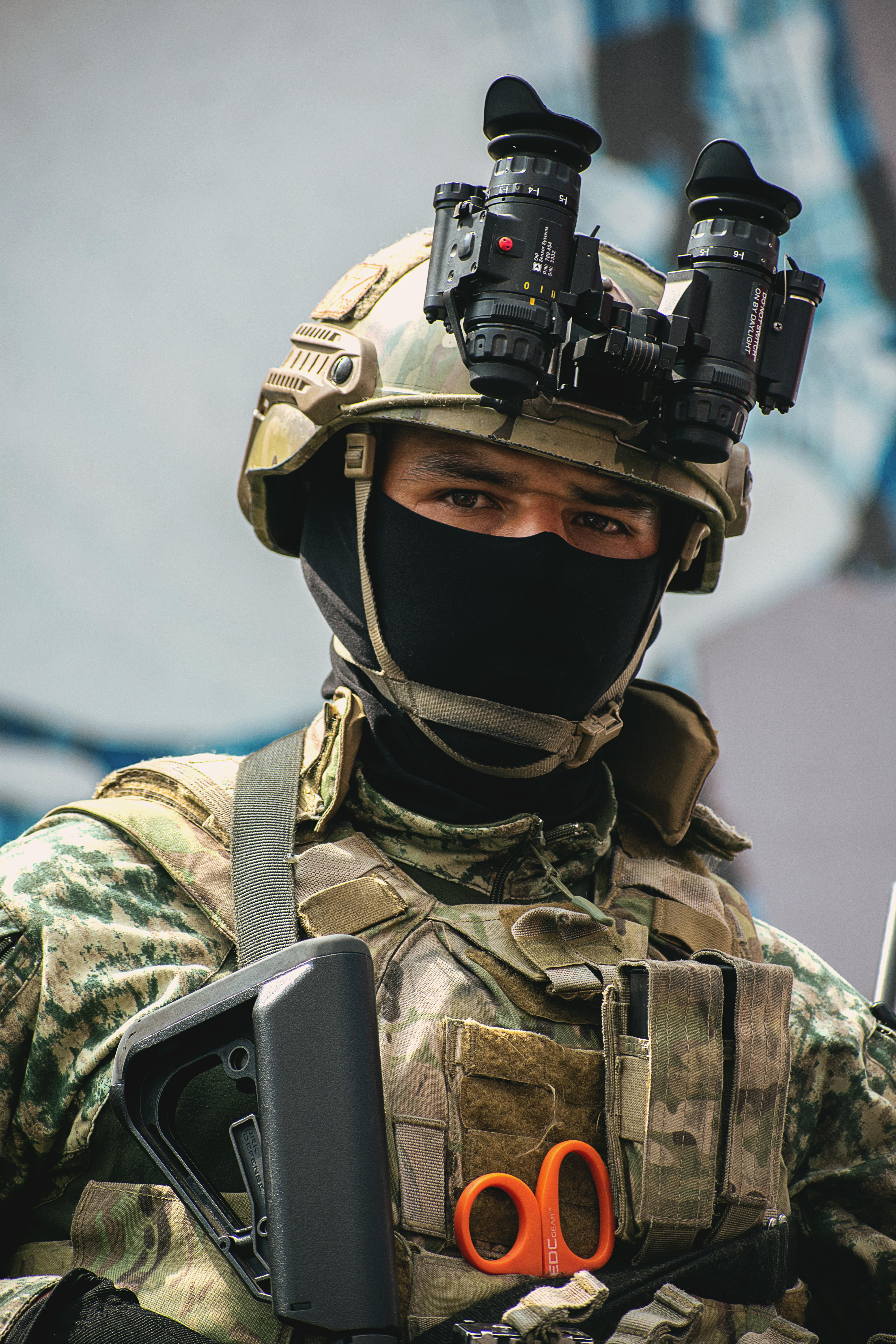
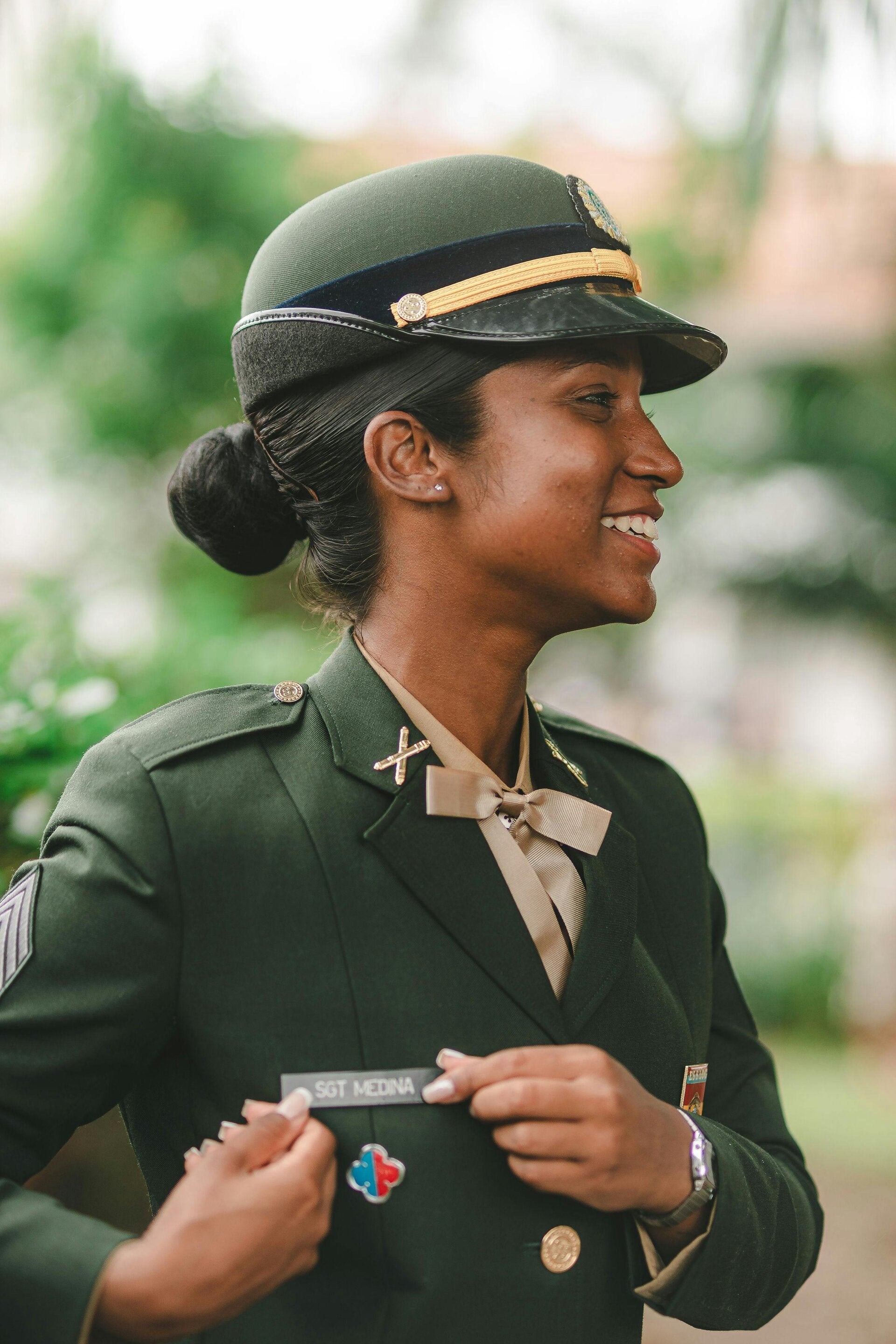
For many veterans, the day they leave military service marks the beginning of a new mission. The uniform may come off, but the values, experiences, and responsibilities forged through service remain. Transitioning from military life to civilian life is a journey filled with both opportunity and challenge, requiring veterans to redefine their purpose while carrying forward the lessons they learned in service.
Military service provides a unique structure that shapes daily life. Every mission has a clear objective, every role carries responsibility, and every individual understands their place within a larger team. When that structure suddenly changes, many veterans find themselves navigating unfamiliar territory. The transition is not simply about changing careers—it is about rebuilding an identity beyond the uniform.
One of the most significant challenges veterans face is finding a renewed sense of purpose. During military service, the mission is often larger than oneself. Veterans contribute to something meaningful and are surrounded by a culture of teamwork and accountability. In civilian life, recreating that same sense of mission can take time and intentional effort.
Despite these challenges, veterans possess qualities that make them exceptionally valuable in every community they enter. Leadership, adaptability, discipline, and resilience are not just skills—they are character traits developed through experience. These strengths become powerful assets when veterans are given opportunities to apply them in new environments.
Employment often plays a central role in rebuilding life after service. Meaningful work provides more than a paycheck; it offers purpose, stability, and a chance to continue contributing to society. Veterans bring unique perspectives to the workforce and frequently excel in leadership positions, entrepreneurship, and skilled trades when given the opportunity.
Housing stability is another critical component of successful reintegration. A safe and secure place to call home provides the foundation upon which all other aspects of life can be built. Without stable housing, pursuing employment, education, and personal growth becomes significantly more difficult. Stability creates the environment necessary for long-term success.
Mental wellness is equally important during the transition process. Many veterans carry experiences that civilians may never fully understand. While those experiences often build strength and resilience, they can also create challenges that require support and understanding. Seeking help is not a sign of weakness—it is a commitment to long-term well-being.
Family relationships often experience change during and after military service. Spouses, children, parents, and loved ones play an important role in the transition process. Rebuilding routines, strengthening communication, and adjusting to new circumstances require patience and support from everyone involved. Strong families often become the foundation upon which veterans build their next chapter.
At TSG Operation Restoration, we recognize that rebuilding life beyond service requires more than temporary assistance. It requires a comprehensive approach focused on empowerment, stability, and opportunity. Our mission is to help veterans navigate the transition process with dignity while providing the tools necessary for long-term success.
Through housing support initiatives, workforce development programs, mentorship opportunities, and financial literacy education, TSG Operation Restoration seeks to address the challenges veterans face while highlighting the strengths they already possess. We believe veterans do not need to be rescued—they need opportunities to thrive.
Financial independence is another essential component of restoration. Veterans who understand budgeting, credit management, investing, and entrepreneurship are better positioned to create sustainable futures for themselves and their families. Economic stability creates freedom and opens doors to new possibilities.
Community connection also plays a vital role in rebuilding life after service. Veterans thrive when they remain connected to supportive networks of peers, mentors, and community leaders. These relationships provide encouragement, accountability, and a sense of belonging that helps ease the transition into civilian life.
The journey beyond the uniform is not always easy, but it is filled with potential. Veterans have already demonstrated their ability to overcome adversity, lead under pressure, and remain committed to a mission. Those same qualities can be applied to building successful careers, strong families, thriving businesses, and vibrant communities.
The uniform may eventually be folded away, but the values it represents endure. After service, a new mission begins—one centered on growth, stability, and purpose. By investing in veterans and supporting organizations like TSG Operation Restoration, communities can help ensure that those who served our nation have every opportunity to succeed in the chapters that follow.


Add comment
Comments