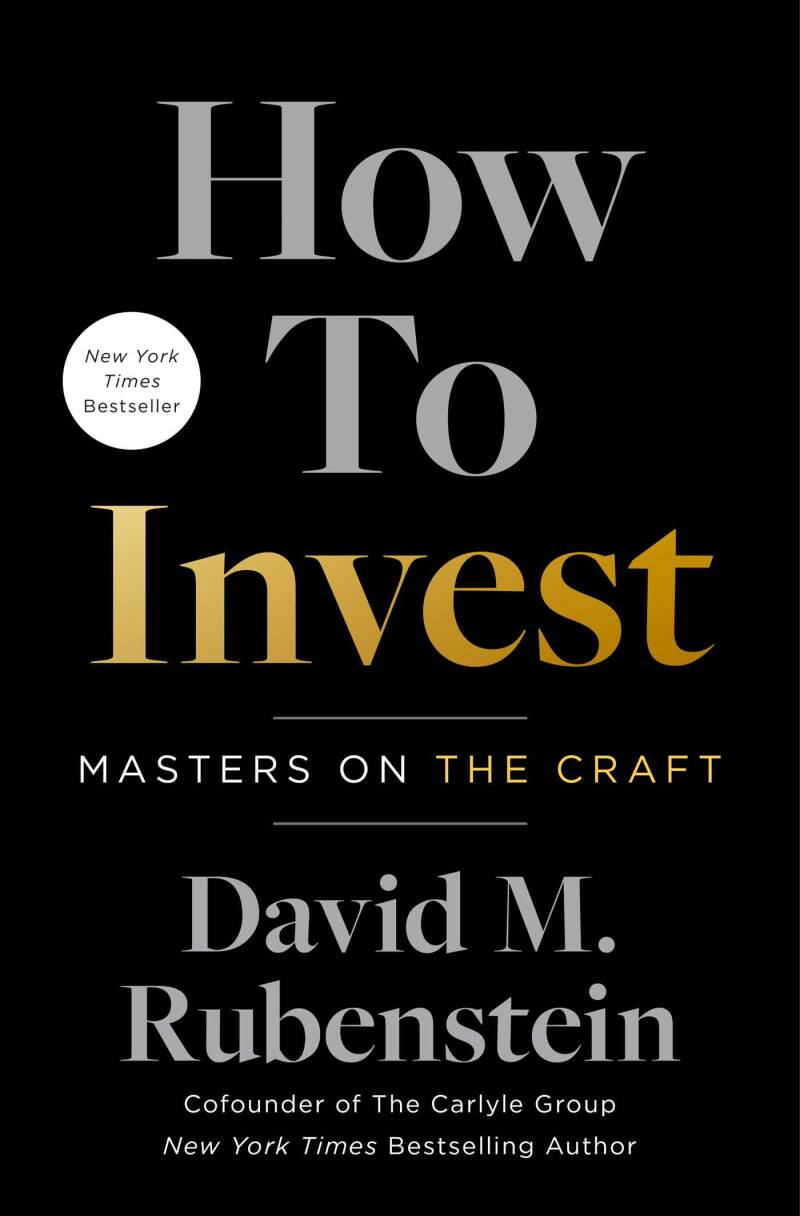
How to Invest: Lessons from How to Invest: Masters on the Craft by David M. Rubenstein
Investing is often viewed as a complicated discipline reserved for financial professionals, but David M. Rubenstein's How to Invest: Masters on the Craft demonstrates that successful investing is built upon timeless principles rather than secret formulas. Through conversations with some of the world's most accomplished investors, Rubenstein uncovers the habits, mindsets, and strategies that have consistently produced exceptional results. The book emphasizes that investing is both an art and a science, requiring discipline, patience, curiosity, and a commitment to lifelong learning.
One of the strongest themes throughout the book is the importance of developing a long-term perspective. Many of the investors featured caution against chasing quick profits or reacting emotionally to daily market fluctuations. Instead, they advocate for investing in quality businesses, assets, or opportunities that can appreciate over many years. This long-term mindset allows investors to weather market volatility while benefiting from the power of compound growth, which has historically rewarded patient investors.
Rubenstein also highlights the value of thorough research before committing capital. Successful investors rarely rely on headlines, speculation, or popular opinion. They spend significant time studying financial statements, understanding industries, evaluating management teams, and identifying competitive advantages. Their investment decisions are rooted in careful analysis rather than emotion, enabling them to make informed choices even when markets become uncertain.
Another lesson emphasized throughout the book is the importance of managing risk rather than attempting to eliminate it. Every investment carries some degree of uncertainty, but experienced investors understand how to evaluate potential downside while positioning themselves for attractive returns. Diversification, proper asset allocation, and disciplined portfolio management help reduce unnecessary exposure while allowing investors to capitalize on long-term opportunities.
Many of the investment leaders interviewed stress that emotional discipline often separates successful investors from unsuccessful ones. Fear and greed can drive poor decision-making, causing investors to buy assets at inflated prices during periods of optimism or sell quality investments during market downturns. Maintaining a rational, objective approach helps investors remain focused on their long-term goals instead of short-term market noise.
The book also demonstrates that successful investing extends beyond stocks and bonds. Rubenstein interviews experts specializing in private equity, venture capital, hedge funds, real estate, distressed assets, and other alternative investments. While each asset class requires specialized knowledge, the underlying principles remain consistent: understand what you own, assess the risks carefully, and invest only when the potential reward justifies the uncertainty.
Continuous learning emerges as another defining characteristic of elite investors. Markets evolve, industries change, and economic conditions shift over time. The most accomplished investors remain students of business, economics, technology, history, and human behavior. They regularly read books, analyze new industries, seek diverse viewpoints, and refine their investment processes rather than assuming they already possess all the answers.
Integrity and reputation also play a surprisingly significant role throughout Rubenstein's interviews. Many successful investors attribute much of their success to maintaining trust with partners, clients, entrepreneurs, and management teams. Strong relationships often create access to better investment opportunities, valuable information, and long-term partnerships that cannot be replicated through financial analysis alone.
Another recurring lesson is the willingness to remain patient while waiting for exceptional opportunities. Rather than feeling pressured to always be invested, many of the featured investors hold cash until attractive opportunities emerge. They understand that preserving capital during periods of overvaluation can be just as important as aggressively investing when markets present compelling bargains. Patience becomes a strategic advantage rather than a sign of inactivity.
Rubenstein also illustrates that there is no universal investment strategy that guarantees success. Some investors specialize in value investing, while others focus on growth companies, private businesses, distressed assets, or macroeconomic trends. Although their approaches differ, each investor develops a disciplined framework that aligns with their expertise, temperament, and long-term objectives. Consistency in applying a proven strategy often proves more valuable than constantly changing approaches.
The interviews throughout How to Invest also reinforce the importance of humility. Even the world's most accomplished investors openly discuss mistakes, failed investments, and unexpected market events. Rather than avoiding failure altogether, they view setbacks as opportunities to improve their decision-making processes. This willingness to learn from mistakes allows them to continually evolve while avoiding overconfidence, one of the greatest threats to long-term investment success.
Ultimately, How to Invest: Masters on the Craft serves as both a practical investment guide and a study of human decision-making. David M. Rubenstein successfully demonstrates that exceptional investing is less about predicting the future and more about developing sound judgment, disciplined processes, intellectual curiosity, and emotional resilience. Whether someone is just beginning their investment journey or managing a sophisticated portfolio, the lessons shared by these accomplished investors provide valuable principles that can help build lasting wealth while fostering thoughtful, informed financial decision-making.

Stop Letting Everything Affect You by Daniel Chidiac
⭐⭐⭐⭐⭐ (5/5)
In Stop Letting Everything Affect You: How to Break Free from Overthinking, Emotional Chaos, and Self-Sabotage, Daniel Chidiac delivers a practical and encouraging guide for anyone who feels weighed down by overthinking, negative emotions, or the opinions of others. Rather than simply telling readers to "think positively," Chidiac provides actionable insights that help readers understand why they react the way they do and how to develop healthier emotional habits.
One of the book's greatest strengths is its accessibility. The writing is conversational, easy to follow, and filled with relatable examples that make complex emotional and psychological concepts feel manageable. Each chapter encourages readers to reflect on their own thought patterns while offering practical steps to cultivate greater resilience, confidence, and inner peace.
A recurring message throughout the book is that we have more control over our emotional responses than we often realize. Chidiac emphasizes that while we cannot control every situation or every person's actions, we can control how we interpret and respond to life's challenges. This shift in perspective empowers readers to stop giving unnecessary power to criticism, rejection, fear, and self-doubt.
The author also explores how perfectionism, people-pleasing, and limiting beliefs contribute to emotional exhaustion and self-sabotage. His advice encourages readers to set healthy boundaries, embrace self-awareness, and focus on personal growth instead of external validation.
While some ideas are repeated throughout the book, the repetition serves as reinforcement rather than distraction, making its core principles easier to remember and apply. Readers looking for deep clinical psychology may find the content more motivational than academic, but for those seeking practical mindset shifts, this approach is one of the book's greatest strengths.
Overall, Stop Letting Everything Affect You is an uplifting and thought-provoking read that reminds us that emotional freedom begins with changing how we think, respond, and value ourselves. It's an excellent resource for anyone looking to reduce anxiety, overcome overthinking, build emotional resilience, and create a healthier relationship with themselves and others.
Final Rating: ⭐⭐⭐⭐⭐ (5/5)
Recommended For:
-
Individuals who struggle with overthinking or anxiety
-
People seeking greater emotional resilience
-
Anyone working on improving self-confidence and self-worth
-
Readers interested in personal growth and mindset development
-
Those looking to overcome self-sabotaging behaviors
Favorite Takeaway:
"You can't always control what happens around you, but you can learn to control what happens within you." This central idea serves as a powerful reminder that lasting peace comes from mastering our responses rather than trying to control every circumstance.
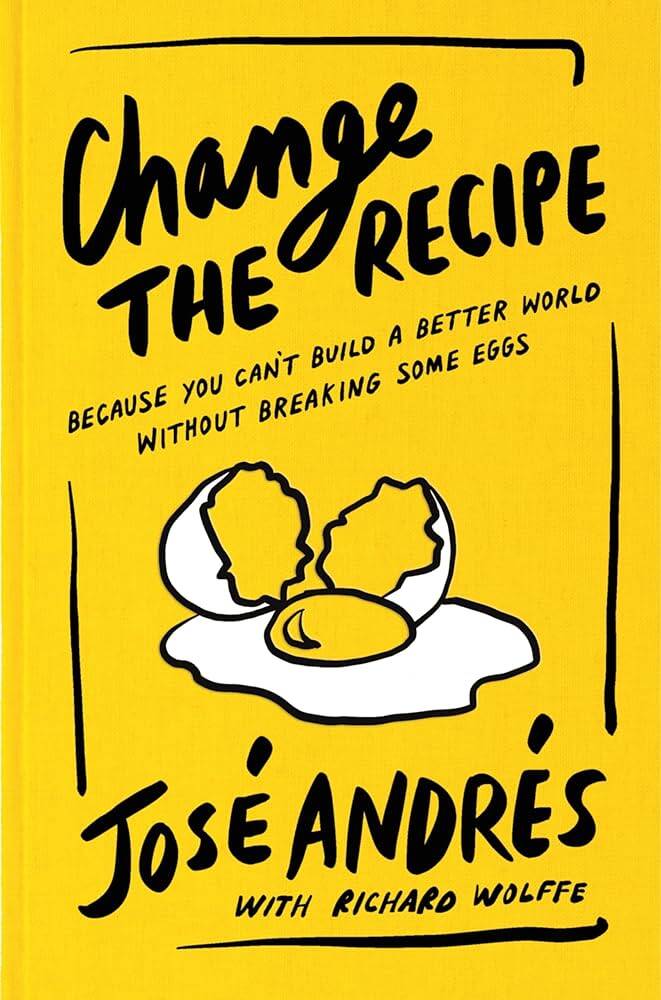
In his book, Change the Recipe: Because You Can't Build a Better World Without Breaking Some Eggs, world-renowned chef and humanitarian José Andrés serves up a brilliant blend of personal memoir, hard-earned life lessons, and an urgent rallying cry for social change. Co-written with author and journalist Richard Wolffe, this book steps entirely outside the traditional bounds of a culinary autobiography. Instead, it positions the kitchen table not just as a place of comfort, but as the ultimate launchpad for global activism and systemic disruption.
The core philosophy of the book hinges on a simple, yet rebellious premise: when a system is failing to serve the people, you don't just tweak the seasoning—you change the entire recipe. Drawing parallel lines between his decades leading high-end restaurant kitchens and his grueling frontline work with World Central Kitchen (WCK), Andrés argues that real progress demands a willing acceptance of chaos. To create a more equitable world, one must be prepared to challenge established corporate and bureaucratic norms, even if it means "breaking some eggs" along the way.
Andrés tracks his journey from his modest upbringing in Spain, where his family relied on resourceful cooking like turning leftover scraps into croquetas at the end of the month, to his arrival in America as a bold 23-year-old chef. He revisits the early days of opening Jaleo in Washington, D.C., where he stood his ground against standardizing or "Americanizing" Spanish tapas. He trusted that if guests were uncomfortable with the concept of sharing small plates, they would eventually adapt to the joy of community dining—a gamble that fundamentally reshaped the American restaurant landscape.
A central takeaway of the book is Andrés's fierce advocacy for local empowerment over top-down institutional charity. He recounts a crucial learning moment in the aftermath of the 2010 Haiti earthquake, where he arrived confident that he could whip up "the best beans and rice in the world." Instead, local Haitian women quietly corrected his technique using sign language, teaching him a profound lesson in humility: true aid means listening to the community, utilizing local produce, and empowering local cooks who know their culture's palate best.
Throughout the text, Andrés directly challenges the sluggish, red-tape-heavy protocols of massive, institutional relief agencies that often prioritize corporate logistics over rapid human care. Operating on a bold "action first, ask for forgiveness later" blueprint, he illustrates how World Central Kitchen cuts through systemic paralysis to put boots on the ground in conflict zones and natural disaster areas. For Andrés, feeding the hungry is not an abstract bureaucratic policy; it is an immediate, non-negotiable human emergency that requires absolute urgency.
The book takes a poignant, deeply moving turn toward the end as Andrés honors the ultimate sacrifices made by those dedicated to global relief work. He includes the text of the World Central Kitchen memorial speech delivered after seven of his team members were tragically killed by an Israeli drone strike following a food delivery in Gaza. This devastating section underscores the intense, high-stakes reality of modern humanitarian work, transforming the memoir from a collection of light kitchen anecdotes into a profound testament to courage under fire.
Even when confronting geopolitical tragedy or institutional frustration, Andrés's signature wit, warmth, and unshakeable optimism shine through. He uses simple, everyday analogies to dissect complex socio-economic realities, showing how small-scale choices—like choosing to import authentic Spanish ham or support a specific regional farmer—ripple outward to affect international relations. He treats every ingredient, and every human being involved in production, as a vital asset to a shared global economy.
For young entrepreneurs, creatives, and change-makers looking to find their own footing, the book offers a refreshing masterclass in remaining authentic. Andrés explicitly warns his readers against losing their edge to corporate conformity, urging them to "never become a commodity." His narrative proves that a fierce commitment to one's core values is the only way to build a legacy that matters, validating the struggles of anyone fighting to make their voice heard in an indifferent corporate environment.
True to his culinary roots, Andrés cleverly packages his philosophical insights with a handful of tangible, practical takeaways for the reader. The book wraps up with a unique section of literal "recipes for the young and hungry at heart," featuring his famous, viral one-serving microwave omelet alongside his advice for navigating life. It is a brilliant reminder that changing the world doesn't always require a massive global platform; sometimes, it starts with rethinking how we handle the basic, everyday elements right in front of us.
Ultimately, Change the Recipe stands out as a stirring, remarkably honest roadmap for anyone seeking purpose and direction in a volatile world. Andrés masterfully proves that food is the ultimate equalizer, possessing a unique power to dissolve borders, dismantle walls, and bring diverse communities together. It is an inspiring, essential read that leaves you with a full heart, a fired-up spirit, and a deep craving to go out and shake up the status quo.
For a closer look at the heart behind the book, you can check out this José Andrés interview on Change the Recipe, where the chef discusses viewing the project as a dynamic "cookbook for life stories."

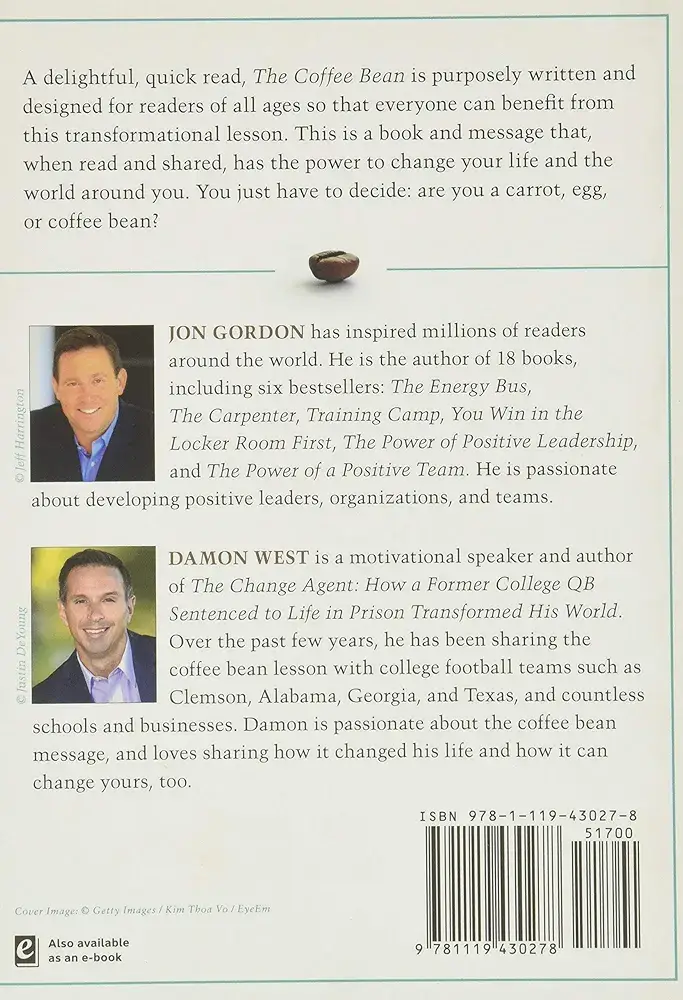
How to Be a Coffee Bean: 111 Life-Changing Ways to Create Positive Change
By Jon Gordon & Damon West
At Thompson Square Gardens Restaurant Company, we believe that inspiration can come from many places—including a simple cup of coffee. That's why we're excited to feature How to Be a Coffee Bean: 111 Life-Changing Ways to Create Positive Change by Jon Gordon and Damon West as our Inspirational Book of the Week, inspired by the positive culture and community-centered mission of our sister company, Thompson Square Gardens Coffee Company.
The concept behind the book is simple yet powerful. Just as a coffee bean transforms hot water into coffee, people have the ability to transform the environments around them. Rather than allowing challenges, negativity, or adversity to change who we are, we can choose to be the positive force that changes our circumstances for the better.
Authors Jon Gordon and Damon West expand on the highly successful message introduced in their bestselling book The Coffee Bean. In this edition, they provide 111 practical lessons, strategies, and insights designed to help readers create meaningful and lasting positive change in every area of life.
One of the book's greatest strengths is its accessibility. The lessons are presented in short, easy-to-read segments that allow readers to absorb powerful wisdom without feeling overwhelmed. Whether you read one lesson per day or several at a time, each chapter offers something valuable to reflect upon.
The authors emphasize the importance of personal responsibility. Instead of waiting for circumstances to improve, they encourage readers to take ownership of their attitudes, actions, and responses. This proactive mindset can become a catalyst for success in business, relationships, and personal growth.
Another key message throughout the book is the importance of fueling your mind, body, and spirit. Gordon and West remind readers that maintaining positive habits, healthy routines, and strong personal values helps create the energy needed to inspire others and overcome life's obstacles.
For entrepreneurs and business leaders, the lessons are particularly relevant. Success often requires resilience, optimism, and the ability to lead during uncertain times. The Coffee Bean philosophy teaches leaders how to remain steady under pressure while positively influencing employees, customers, and communities.
Students and young professionals will also find tremendous value in these pages. The book offers practical guidance on building confidence, developing discipline, and maintaining a positive outlook even when facing setbacks or disappointments.
One of the most inspiring aspects of the book is its focus on encouragement. In a world where criticism and negativity often dominate conversations, the authors challenge readers to become sources of hope, kindness, and motivation for those around them.
At Thompson Square Gardens Coffee Company, we see this philosophy come to life every day. Coffee shops have long served as gathering places where conversations spark ideas, friendships are formed, and communities grow stronger. This book beautifully captures that spirit of transformation and connection.
The Coffee Bean message is especially important in today's fast-paced world. Challenges are inevitable, but our response to those challenges determines our direction. By adopting a coffee bean mindset, readers can develop the emotional strength needed to navigate difficult situations with purpose and confidence.
The practical nature of the book makes it a valuable resource for teams, organizations, schools, and families. Many of the lessons can be applied immediately, creating positive ripple effects that extend far beyond the individual reader.
Ultimately, How to Be a Coffee Bean is more than a motivational book—it's a guide for intentional living. It encourages readers to embrace positivity, lead with character, and become agents of constructive change wherever they go.
As our Thompson Square Gardens Inspirational Book of the Week, we highly recommend this uplifting and transformative read to anyone seeking greater purpose, resilience, and impact. Inspired by the mission of Thompson Square Gardens Coffee Company, this book serves as a reminder that, like the coffee bean itself, each of us has the power to transform our environment and make the world around us better—one positive action at a time.


Big Magic by Elizabeth Gilbert is an inspiring and deeply personal exploration of creativity, fear, and the courage required to pursue a meaningful life. Gilbert approaches the subject of creative living with warmth, humor, and honesty, making the book feel less like a lecture and more like a heartfelt conversation with a trusted mentor. Rather than presenting creativity as something reserved for artists or intellectual elites, she opens the door for everyday people to rediscover their imagination and curiosity.
One of the strongest aspects of the book is Gilbert’s ability to make creativity feel accessible. She argues that creative expression is not necessarily about fame, perfection, or commercial success but about living a life driven by curiosity instead of fear. This perspective is refreshing in a world where many people feel pressured to monetize every talent or prove their worth through achievement. Gilbert encourages readers to create simply because it brings joy and fulfillment.
The book is divided into several sections that focus on themes such as courage, enchantment, permission, persistence, trust, and divinity. Each section contains stories from Gilbert’s own experiences as a writer alongside lessons she has learned throughout her creative journey. Her storytelling ability keeps the book engaging, and her examples make abstract ideas feel practical and relatable.
Fear is one of the central topics in Big Magic. Gilbert acknowledges that fear is a natural part of creativity, but she insists that it should never be allowed to take control. One of the book’s most memorable lessons is her idea that fear can come along for the ride, but it cannot be allowed to drive the vehicle. This metaphor resonates strongly because it reflects the reality that most people never fully eliminate fear—they simply learn how to move forward despite it.
Gilbert also presents creativity as something almost mystical. She describes ideas as living entities searching for willing human collaborators. While some readers may view this concept as symbolic rather than literal, it adds a sense of wonder and excitement to the creative process. Her perspective encourages readers to treat inspiration with respect and attentiveness instead of waiting passively for motivation to appear.
Another compelling element of the book is Gilbert’s rejection of the stereotype of the “suffering artist.” She challenges the belief that creativity must be connected to misery, self-destruction, or emotional chaos. Instead, she advocates for balance, discipline, and emotional health. This message feels empowering because it gives readers permission to pursue creativity without sacrificing their peace of mind or personal well-being.
Gilbert’s writing style is conversational, intelligent, and easy to follow. Even readers who do not typically enjoy self-help or motivational books may find themselves drawn in by her honesty and humor. She avoids sounding overly preachy or overly academic, which helps the book remain approachable to a wide audience. Her storytelling makes the lessons memorable and emotionally impactful.
The book also addresses the issue of perfectionism, which Gilbert identifies as one of the biggest obstacles to creative living. She encourages readers to stop obsessing over flawless results and instead focus on completing projects and learning through action. This advice is especially valuable for people who constantly delay pursuing their goals because they fear criticism or failure.
One of the most inspiring ideas in Big Magic is the concept of creative permission. Gilbert emphasizes that individuals do not need validation from society, family, or institutions before beginning their creative journey. She encourages readers to grant themselves permission to explore their interests without guilt or apology. This theme resonates strongly because many people spend years waiting for external approval before chasing their passions.
The book’s optimistic tone is another reason why it has resonated with so many readers. Gilbert does not deny the difficulties of creative work, but she approaches those challenges with hope and resilience. She reminds readers that creativity can be a source of healing, excitement, and personal transformation. Her message feels encouraging rather than unrealistic, which makes the book emotionally uplifting.
While Big Magic is highly motivational, some readers may find certain ideas overly spiritual or unconventional, particularly Gilbert’s beliefs about the mystical nature of ideas. However, even skeptical readers can still appreciate the broader message about openness, curiosity, and persistence. The emotional honesty behind her reflections helps ground the more philosophical aspects of the book.
Overall, Big Magic is an empowering and thought-provoking book that encourages readers to embrace creativity with courage and joy. Elizabeth Gilbert delivers a message that is both practical and inspiring: a creative life is available to anyone willing to show up, remain curious, and push beyond fear. Whether someone is a writer, entrepreneur, artist, or simply a person searching for greater purpose, this book offers valuable insights into living more boldly and authentically.

This week, we spotlight the fast-paced thriller The Chef by James Patterson as our Inspirational Book of the Week—a story that blends high-stakes action with real-world themes of discipline, leadership, and balancing multiple roles in life.
Set in New Orleans during the electric buildup to Mardi Gras, the story follows Caleb Rooney, a major crimes detective who is also secretly running a successful food truck called Killer Chef alongside his ex-wife. When Caleb is accused of using excessive force in a police shooting, his career and reputation are placed under intense scrutiny. At the same time, he finds himself pulled into a much larger crisis—an unfolding terrorist plot targeting the city during one of its busiest celebrations.
As Caleb is forced out of official police operations, he continues investigating on his own, navigating danger, corruption, and personal conflict while trying to protect the city he loves. His double life as both detective and chef becomes a powerful symbol of balance—managing pressure, responsibility, and passion in two completely different worlds.
What makes this novel especially meaningful for entrepreneurs and professionals is its strong reflection of work-life balance, adaptability, and resilience under pressure. Caleb’s ability to operate in two demanding roles mirrors the modern entrepreneur who must juggle business operations, leadership, family, and personal identity—all while staying focused under stress.
At Thompson Square Gardens, we see this story as more than entertainment. It’s a reminder that success often comes from discipline in chaos, clarity under pressure, and the ability to keep moving forward even when life becomes unpredictable.
🔥 Why This Book Inspires Us:
• Highlights balancing two demanding careers (law enforcement & culinary entrepreneurship)
• Showcases leadership and decision-making under extreme pressure
• Reflects real-world entrepreneurial multitasking and resilience
• Reinforces the importance of purpose-driven action during crisis
• Delivers fast-paced motivation through a high-stakes narrative
📖 The Chef reminds us that greatness is not just about what you do—it’s about how well you manage everything you carry while doing it.
At Thompson Square Gardens, this week’s message is simple: stay focused, stay balanced, and keep building—even under pressure.
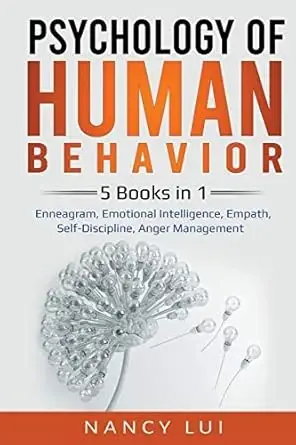

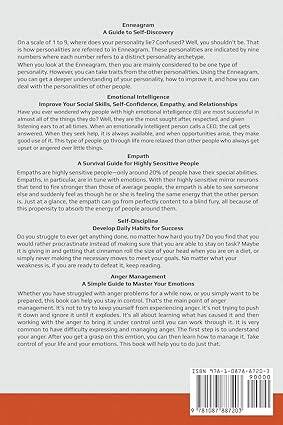
Psychology of Human Behavior: 5 Books in 1 by Nancy Lui
This week’s featured selection for the Thompson Square Gardens Inspirational Book of the Week is Psychology of Human Behavior: 5 Books in 1 by Nancy Lui, a 2020 publication that brings together five powerful areas of personal development into one comprehensive guide. Spanning topics such as the Enneagram, emotional intelligence, empathy, self-discipline, and anger management, the book presents a structured yet accessible exploration of how human behavior is shaped, expressed, and ultimately mastered.
At its core, the book centers on a simple but profound idea: understanding yourself is the foundation for understanding others. Nancy Lui takes readers into the deeper layers of personality and emotional awareness, showing how thoughts, feelings, and reactions are often driven by patterns that can be identified and changed. Through the lens of emotional intelligence, the book emphasizes the importance of recognizing not only what we feel, but why we feel it, and how those emotions influence our decisions, relationships, and overall direction in life.
One of the most compelling aspects of the work is its exploration of the Enneagram, a personality framework that helps readers identify their behavioral tendencies and emotional habits. Rather than boxing individuals into rigid categories, it encourages reflection and self-awareness, allowing readers to better understand their strengths, weaknesses, and internal motivations. This awareness becomes the starting point for meaningful personal transformation.
The book also gives significant attention to empathy, presenting it not as a passive emotional response but as an active skill that can be developed and refined. In doing so, it reframes sensitivity as a strength, showing how the ability to understand and share the feelings of others can improve communication, deepen relationships, and foster emotional balance.
Self-discipline is another major focus, where the author highlights the role of consistency, structure, and intentional action in achieving personal goals. Rather than portraying discipline as restriction, it is presented as a form of freedom—one that allows individuals to take control of their habits, productivity, and long-term outcomes. The message is clear: small, consistent efforts shape the trajectory of success.
Anger management is also addressed with practical insight, guiding readers to better understand emotional triggers and responses. Instead of suppressing anger, the book encourages awareness and regulation, helping individuals respond thoughtfully rather than react impulsively. This shift in approach allows for healthier communication and more constructive conflict resolution.
Overall, Psychology of Human Behavior: 5 Books in 1 serves as both a personal development tool and a guide to emotional mastery. It invites readers to look inward, identify their behavioral patterns, and take intentional steps toward becoming more aware, balanced, and disciplined individuals. In a world where emotional overload and misunderstanding are increasingly common, the book offers clarity, structure, and a pathway toward personal growth.
As part of this week’s Thompson Square Gardens Inspirational Book of the Week, it stands as a reminder that true transformation begins within. Understanding human behavior is not just about studying others—it is about refining oneself, building emotional intelligence, and learning how to navigate life with greater purpose, control, and compassion.
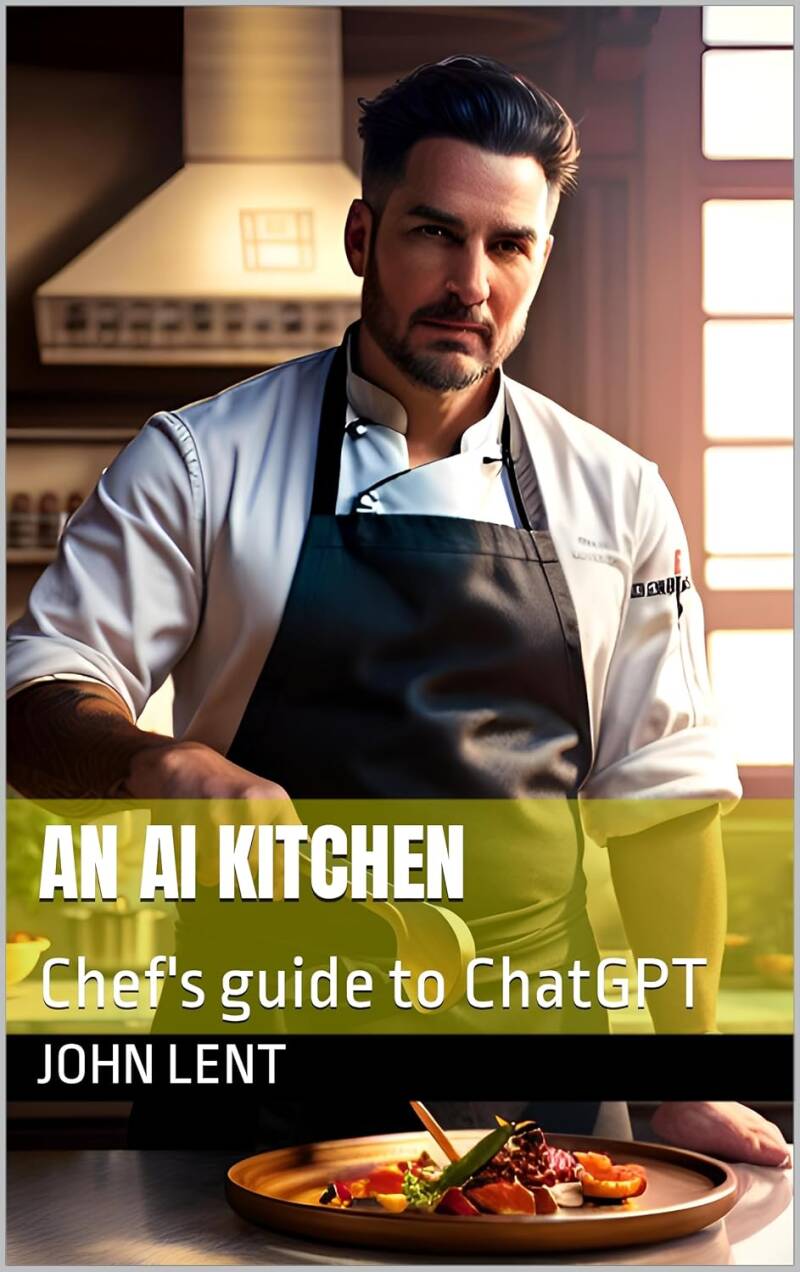

At Thompson Square Gardens Restaurant Company, we are always looking for inspiration that pushes the boundaries of creativity, innovation, and excellence in the culinary world. This week, our Inspirational Book of the Week is An AI Kitchen: Chef’s Guide to ChatGPT by Chef John D. Lent, a compelling and forward-thinking work that explores the intersection of artificial intelligence and modern cooking.
Chef Lent introduces readers to a new era in the kitchen—one where technology is not feared, but embraced as a valuable partner. Rather than replacing the chef, artificial intelligence is positioned as a powerful assistant that enhances creativity, simplifies processes, and opens doors to culinary possibilities that might otherwise remain unexplored. Through thoughtful insights and practical guidance, the book illustrates how tools like ChatGPT can help generate recipes, suggest ingredient pairings, and streamline meal planning in ways that save time while sparking innovation.
What makes this book particularly impactful is its balanced perspective. While it celebrates the efficiency and creative boost that AI can provide, it never loses sight of the human element that defines great cooking. Flavor, intuition, passion, and experience remain at the heart of every memorable dish. Chef Lent makes it clear that technology is simply a tool—one that amplifies the chef’s vision rather than replacing it. This message resonates deeply with us, as we believe that true culinary excellence comes from a blend of tradition, skill, and forward-thinking adaptation.
Reading this book feels less like a technical manual and more like a conversation about the future. It challenges chefs, entrepreneurs, and creatives to rethink how they approach their craft and their business. In an industry that is constantly evolving, the ability to adapt and innovate is essential, and this book serves as a reminder that embracing new tools can be a key part of that growth.
At Thompson Square Gardens, we see An AI Kitchen as more than just a guide—it is a reflection of where the culinary world is heading. It encourages us to ask important questions about how we can work smarter, serve better, and continue to elevate the experiences we offer to our clients and communities. It inspires a mindset that is not only open to change but excited by it.
Overall, this book stands as a strong and inspiring read for anyone in the culinary field or anyone with an entrepreneurial spirit. It offers both vision and practicality, making it a valuable addition to the library of chefs, business owners, and innovators alike. We proudly rate it a 4.5 out of 5 and highly recommend it to those who are ready to explore the future of food through the lens of technology while staying grounded in the artistry that makes cooking truly special.
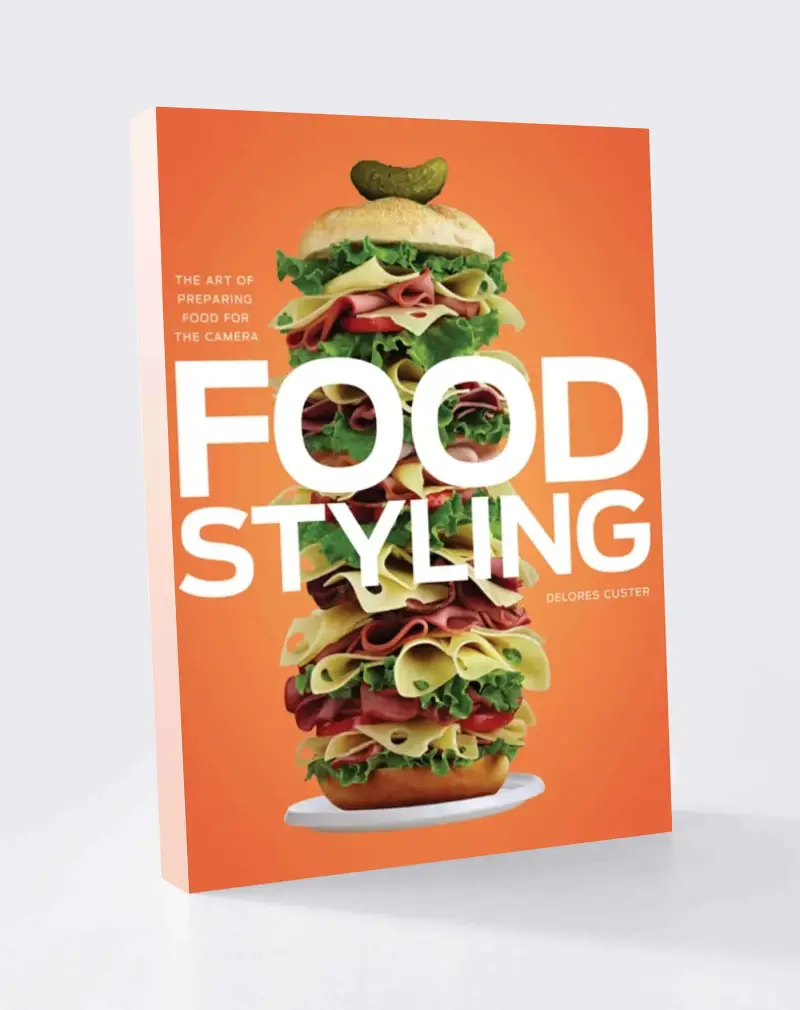
Food Styling: The Art of Preparing Food for the Camera by Delores Custer is a captivating and highly practical guide that dives deep into the creative and technical world of food presentation. Custer, a seasoned professional in the field, brings decades of experience to the table, offering readers a rare behind-the-scenes look at how food is transformed into visual art for photography, film, and advertising.
One of the book’s greatest strengths is its balance between artistry and technique. Custer doesn’t just tell you how to make food look good—she explains why certain methods work. From understanding light and texture to controlling color and composition, the book lays a strong foundation for anyone serious about food styling.
Custer’s writing style is clear, instructional, and approachable, making complex techniques feel accessible. Whether she’s discussing the best way to style a roast chicken or how to keep ice cream from melting under hot studio lights, her guidance is detailed and easy to follow. This makes the book suitable for both beginners and experienced professionals looking to refine their skills.
Another standout aspect is the emphasis on problem-solving. Food styling is full of unpredictable challenges, and Custer equips readers with the knowledge to adapt quickly. She shares practical tips for dealing with time constraints, environmental factors, and the natural imperfections of food, which are invaluable in real-world settings.
The book also excels in its attention to detail. Custer explores everything from ingredient selection to plating techniques, demonstrating how even the smallest adjustments can dramatically impact the final image. Her insights help readers develop a more discerning eye for what works visually.
In addition to technical instruction, Custer highlights the importance of collaboration. She explains how food stylists work alongside photographers, art directors, and clients to achieve a shared vision. This perspective is especially useful for those looking to enter the industry and understand its professional dynamics.
The visual examples included throughout the book greatly enhance its value. They provide clear, side-by-side comparisons that illustrate how styling choices affect the outcome. These visuals serve as both inspiration and practical reference points for readers.
Custer also addresses the tools of the trade, offering a comprehensive overview of essential equipment and materials. From brushes and tweezers to specialized kitchen tools, she ensures readers know exactly what they need to succeed in a styling environment.
What makes this book particularly compelling is its focus on authenticity. While some techniques involve enhancing or preserving food in unconventional ways, Custer encourages a balance between realism and visual appeal. This approach aligns well with modern trends that favor natural, appetizing imagery.
The book doesn’t shy away from the business side of food styling either. Custer provides insight into building a career, developing a portfolio, and navigating client expectations. This makes the book not just a creative guide, but also a professional resource.
For entrepreneurs, chefs, and content creators—especially those involved in food branding or photography—this book is an invaluable asset. It bridges the gap between culinary skill and visual storytelling, helping readers elevate how they present their work to the world.
Overall, Food Styling: The Art of Preparing Food for the Camera is a comprehensive and inspiring read. Delores Custer successfully combines technical expertise with creative insight, making this book a must-have for anyone looking to master the art of food styling or enhance their visual presentation skills.
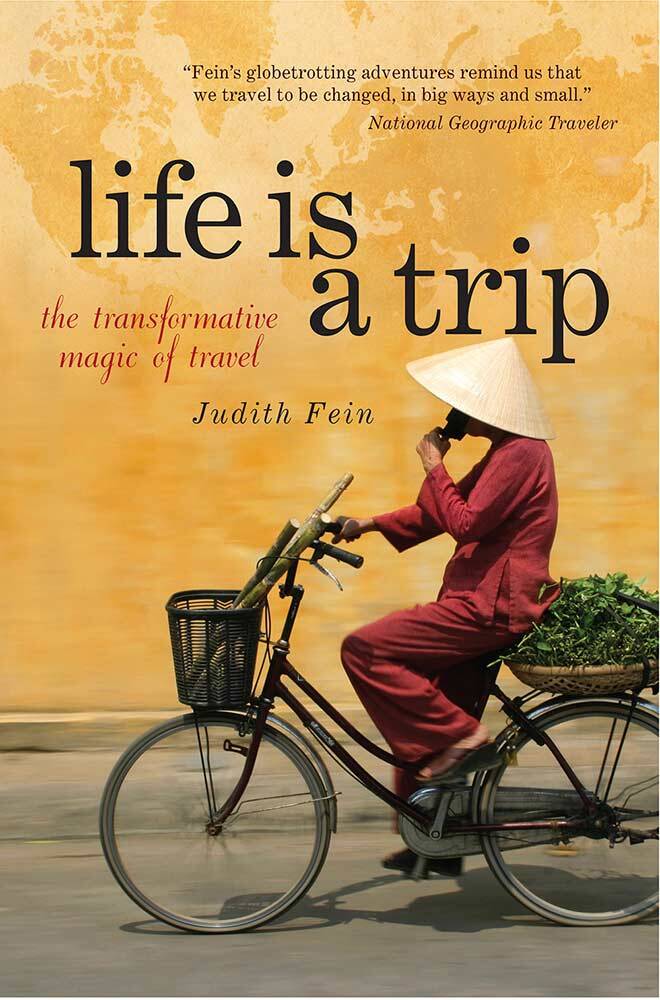
Life Is a Trip: Finding Meaning and Inspiration in the Culinary World Through Judith Fein’s Perspective
In Life Is a Trip, Judith Fein offers a compelling philosophy that transcends travel and reaches into the deeper fabric of how individuals experience life. Her message encourages readers to move beyond routine, to embrace curiosity, and to seek meaning in every encounter. While her work is rooted in the idea of travel as a transformative experience, its lessons resonate powerfully within the food industry, where creativity, culture, and human connection intersect on a daily basis.
The culinary world is often defined by speed, efficiency, and consistency. Kitchens are high-pressure environments where success is frequently measured by output and profitability. Yet Fein’s perspective invites a shift in mindset. She proposes that life is not simply about reaching destinations, but about engaging fully with the journey. For chefs, restaurateurs, and food entrepreneurs, this idea can redefine the way they approach their craft. Cooking becomes more than a technical skill; it becomes an act of storytelling and exploration.
Food, much like travel, has the power to transport people. A single dish can evoke memories, introduce new cultures, and create emotional connections. Fein’s philosophy encourages culinary professionals to look beyond the surface of their work and ask deeper questions about the meals they create. Every ingredient carries a history, and every recipe reflects a tradition. By embracing this perspective, those in the food industry can transform ordinary dining into meaningful experiences that resonate with their guests on a personal level.
Another central theme in Fein’s work is curiosity. She emphasizes the importance of approaching the world with an open mind and a willingness to explore the unfamiliar. In the context of the food industry, this mindset fosters innovation. Chefs who adopt this approach are more likely to experiment with diverse cuisines, incorporate unexpected flavors, and draw inspiration from cultures beyond their immediate surroundings. This spirit of exploration not only enhances creativity but also keeps culinary work dynamic and evolving.
Equally significant is Fein’s focus on purpose. In an industry where financial pressures can often dominate decision-making, her message serves as a reminder to reconnect with the “why” behind the work. For many in the culinary field, that purpose may lie in bringing people together, preserving cultural traditions, or contributing to the well-being of their communities. When food professionals align their work with a deeper sense of purpose, they create experiences that extend beyond the plate and leave a lasting impact.
Fein’s perspective also offers a valuable framework for addressing the challenges of burnout and fatigue that are common in hospitality. By encouraging individuals to find meaning in their daily experiences, she provides a pathway to rediscover passion and fulfillment. When chefs and restaurateurs begin to view their work as part of a larger journey rather than a series of tasks, they can regain a sense of inspiration that sustains them through the demands of the industry.
Ultimately, Life Is a Trip serves as a reminder that the food industry is not just about feeding people, but about connecting with them. It challenges culinary professionals to slow down, to engage more deeply with their craft, and to create moments that are both memorable and meaningful. Through Fein’s lens, the kitchen becomes more than a workplace; it becomes a space for exploration, creativity, and human connection.
In embracing the ideas presented in her work, those in the food industry can elevate what they do from a profession to a purposeful journey—one that nourishes not only the body, but also the experience of life itself.
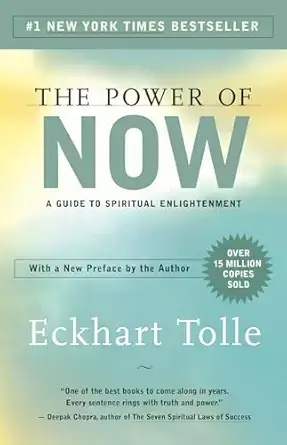

This week’s featured read is The Power of Now by Eckhart Tolle — a transformative guide that has inspired millions to rethink how they experience life, stress, and purpose.
At its core, The Power of Now challenges the way we relate to time. Tolle introduces a simple yet profound idea: most of our pain, anxiety, and dissatisfaction come from dwelling on the past or worrying about the future. By learning to fully anchor ourselves in the present moment, we unlock a deeper sense of peace, clarity, and fulfillment. This isn’t just philosophy—it’s a practical lifestyle shift.
What makes this book powerful is its accessibility. Tolle breaks down complex spiritual concepts into conversational insights, often presented in a question-and-answer format that feels personal and reflective. He addresses common struggles—overthinking, emotional pain, identity, and ego—and provides tools to rise above them through awareness and presence.
For entrepreneurs, creatives, and leaders—like those within the Thompson Square Gardens community—this book carries even greater value. In fast-paced environments where pressure and ambition run high, The Power of Now serves as a grounding force. It teaches that true success isn’t only measured by external achievements, but by inner peace and alignment.
However, readers should be prepared: this is not a traditional “quick read.” It requires intention, reflection, and sometimes re-reading to fully grasp its depth. Some may find its spiritual tone abstract at first, but those who lean into its message often walk away with a renewed perspective on life.
Final Thoughts:
The Power of Now is more than a book—it’s an experience. It invites you to slow down, become aware, and rediscover the richness of the present moment. For anyone seeking clarity, purpose, or a break from the mental noise of everyday life, this is a must-read.
Rating: ⭐⭐⭐⭐⭐ (5/5)
A timeless, perspective-shifting guide to living with intention and peace.

Rich Routines: Embracing Both-And Success with Steve Houghton
In a world obsessed with either-or thinking, entrepreneur Steve Houghton offers a radical alternative: both-and success. The prevailing narrative often suggests that to excel in one area of life, you must sacrifice another. But Houghton challenges this dichotomy, insisting that you don’t have to choose between wealth and purpose, ambition and fulfillment, or hard work and joy. You can have it all—if you understand the right order.
Steve Houghton’s philosophy centers around the principle that you can get paid well by doing good. For decades, traditional business advice suggested that profit and impact exist on opposite ends of a spectrum. Houghton rejects this binary. According to him, the most sustainable and rewarding enterprises combine financial success with meaningful contributions to the world.
The first step to adopting this both-and mindset is acknowledging that the dichotomies we’ve been taught are false. Whether it’s the assumption that you must work endlessly to get ahead, or that philanthropy and profit are mutually exclusive, Houghton demonstrates that these beliefs limit potential. Breaking free from them allows entrepreneurs to build businesses that serve multiple purposes simultaneously.
A cornerstone of Houghton’s approach is intentionality in your daily routines. He argues that success is rarely accidental—it’s built from the habits, decisions, and rituals that structure your life. By deliberately designing routines that reinforce both productivity and personal growth, you cultivate a life where financial gain and personal satisfaction coexist naturally.
Houghton also emphasizes the importance of sequencing. You can’t simply chase everything at once and expect harmony. Instead, success follows a strategic order: first clarify your values, then align your business goals with those values, and finally execute with disciplined action. This ensures that every achievement supports your broader vision of both prosperity and purpose.
Rejecting the either-or mindset doesn’t mean avoiding focus. On the contrary, Houghton advocates for intense focus on key priorities—but these priorities are chosen not to limit your options, but to expand them. By concentrating on initiatives that simultaneously generate wealth and serve the greater good, entrepreneurs maximize impact without compromise.
Moreover, Houghton highlights the compounding effect of doing good while building wealth. Acts of service, ethical leadership, and community engagement are not distractions from success—they are accelerants. Businesses that embrace both-and thinking attract better talent, loyal customers, and long-term growth opportunities because people are drawn to authentic, purpose-driven organizations.
A major theme in Rich Routines is that the path to fulfillment is not linear. Houghton reminds us that setbacks and detours are inevitable, but they can be leveraged to reinforce both personal and professional growth. Embracing challenges as opportunities rather than choosing between success or failure allows a more holistic approach to achievement.
Financial abundance and personal well-being are often portrayed as opposing forces. Yet, in Houghton’s framework, they are complementary. He teaches that by prioritizing your health, relationships, and character alongside business growth, you create an ecosystem where prosperity naturally follows. The myth of sacrifice for gain is replaced with the reality of synergistic growth.
Houghton also tackles the cultural obsession with hustle. While hard work is essential, mindless busyness without alignment to core values leads to burnout and shallow results. Rich Routines encourages thoughtful effort, where every task is evaluated for its contribution to both profit and purpose. This is how high-performing entrepreneurs maintain longevity in both business and life.
Another key insight is that wealth and good deeds are mutually reinforcing. Houghton frequently cites examples of businesses generating exceptional returns while addressing social or environmental challenges. The lesson is clear: choosing between doing well and doing good is unnecessary—both can thrive together, creating a positive feedback loop of financial and societal impact.
Houghton’s approach also extends to personal life. He asserts that true success encompasses more than bank statements—it includes meaningful relationships, intellectual growth, and emotional well-being. By adopting a both-and perspective, individuals no longer feel forced to compromise personal happiness for professional achievement.
Importantly, Rich Routines is not about perfectionism—it’s about consistent alignment with values. Small, intentional choices compound over time. By integrating both-and thinking into daily habits, routines, and decisions, you gradually build a life where success is multidimensional and deeply satisfying.
In summary, Steve Houghton challenges the old narrative of sacrifice and compromise. The dichotomies that have constrained generations of entrepreneurs are false. You can have it all—financial success, meaningful work, personal fulfillment—when pursued in the right order. Both-and success isn’t just a philosophy; it’s a practical, achievable approach to life and business.
Rich Routines invites you to rethink success. Stop choosing between wealth and impact, work and joy, ambition and authenticity. By embracing both-and, you unlock a life where doing good and being rewarded go hand in hand. The truth is simple: you don’t have to settle. You can have it all, one deliberate routine at a time.
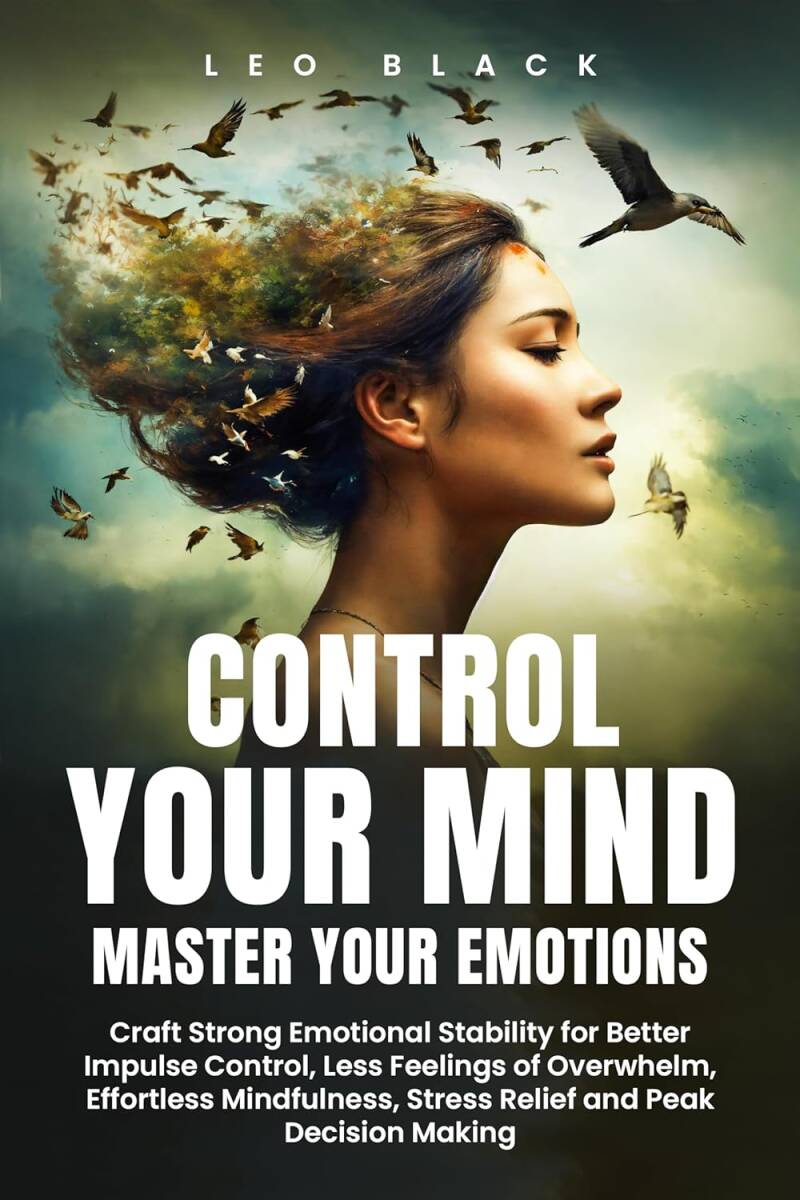
Control Your Mind, Master Your Emotions by Leo Black is a practical and motivating guide for individuals seeking stronger emotional discipline and mental resilience. The book explores how emotional instability, distraction, and impulsive thinking can prevent people from reaching their full potential. Through structured explanations and practical strategies, the author encourages readers to develop mental toughness by first learning to recognize the patterns that weaken emotional control.
One of the central themes of the book is the relationship between mindset and emotional reactions. Black argues that emotions themselves are not the true problem; rather, it is the lack of awareness and discipline surrounding them that leads to destructive behavior. By cultivating greater mental awareness, readers can begin to control their reactions instead of allowing emotions to dictate their decisions.
The author emphasizes that emotional strength is not something people are simply born with, but a skill that can be developed through consistent effort. This perspective makes the book particularly encouraging for readers who may feel overwhelmed by stress, frustration, or lack of focus. Black simplifies complex psychological concepts so that readers from all backgrounds can understand and apply them.
A key strength of the book lies in its discussion of impulse control. Black explains how impulsive decisions—whether in relationships, business, or personal habits—often stem from unchecked emotional responses. By practicing patience, reflection, and delayed gratification, individuals can begin making more thoughtful and strategic decisions.
The book also addresses the modern challenge of constant distraction. In a world filled with digital noise and competing priorities, the mind can easily become scattered. Black offers insights into strengthening focus and building the discipline needed to remain committed to long-term goals despite daily distractions.
Another important idea explored in the book is emotional responsibility. Rather than blaming circumstances, other people, or past experiences for emotional reactions, Black encourages readers to take ownership of their mindset. This shift in perspective empowers individuals to take control of how they respond to challenges.
Throughout the book, readers are introduced to practical exercises designed to strengthen emotional resilience. These include mindfulness techniques, personal reflection practices, and habit-building strategies aimed at developing a stronger sense of mental control. The exercises make the book not only informative but also actionable.
Black also connects emotional discipline to overall personal success. According to the author, individuals who are able to regulate their emotions are better prepared to face pressure, overcome setbacks, and navigate uncertainty. Emotional control becomes a valuable asset in leadership, business, and personal relationships.
Another significant theme is the importance of self-discipline. Emotional stability does not come from temporary motivation but from consistent habits and intentional thinking. Black reinforces the idea that mastering emotions requires ongoing practice and commitment.
The writing style of the book is clear, direct, and accessible. Black avoids overly technical language, which allows readers to easily grasp the ideas presented. This approachable tone makes the book suitable for both beginners and those already interested in personal development.
Some readers may notice that certain ideas appear repeatedly throughout the book. However, this repetition serves to reinforce the core principles of emotional discipline and mental awareness. For readers who are new to these concepts, the reinforcement can actually strengthen their understanding.
Overall, Control Your Mind, Master Your Emotions offers valuable insights for anyone seeking greater mental clarity and emotional balance. Leo Black presents a strong argument that emotional mastery is achievable through awareness, discipline, and daily practice. The book ultimately serves as a reminder that controlling one's mind is a powerful step toward living a more focused, stable, and purposeful life.
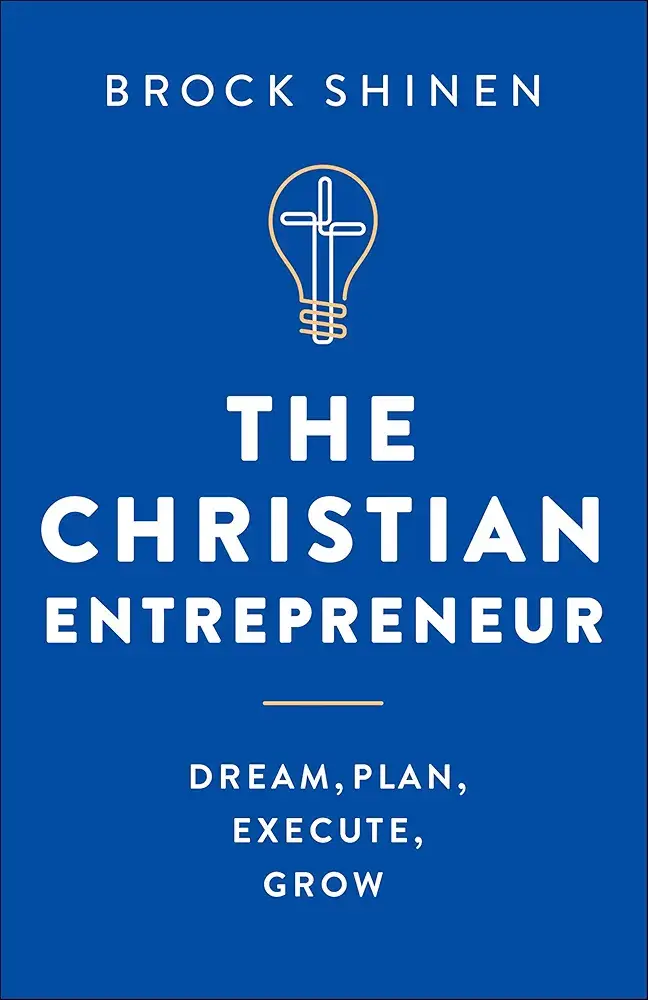
The Christian Entrepreneur: Faith, Purpose, and Building a Business That Honors God
Starting a business is often described as one of the most challenging yet rewarding journeys a person can take. For Christians who feel called to entrepreneurship, the journey carries an even deeper dimension—combining faith, purpose, and stewardship. The book The Christian Entrepreneur offers guidance for believers who want to build successful businesses while remaining grounded in biblical principles and spiritual purpose.
Many aspiring entrepreneurs struggle with the early questions of business ownership. Where should you start? Should you launch your company from home or invest in an office space? What legal structure should you choose? These are practical decisions every entrepreneur must face. The Christian Entrepreneur recognizes that these questions can feel overwhelming, especially for individuals who are trying to balance faith, financial responsibility, and vision.
One of the most valuable aspects of the book is its ability to merge practical business strategies with a strong biblical worldview. Rather than separating faith from business, the author encourages readers to see entrepreneurship as a calling. For Christians, business can become a platform for stewardship, service, and leadership that reflects their faith.
The book begins by guiding readers through the process of assessing and clarifying their dreams. Many people have business ideas, but few take the time to examine whether their passions align with their skills, resources, and calling. Through thoughtful reflection and self-assessment tools, the book helps readers evaluate their motivations and discover where their entrepreneurial interests truly lie.
After clarifying the dream, the next step is turning that dream into a practical plan. Vision alone is not enough to sustain a business. Entrepreneurs must develop strategies, identify markets, understand finances, and outline goals. The book emphasizes the importance of structured planning while encouraging readers to seek wisdom through prayer and thoughtful decision-making.
Once a plan is developed, the focus shifts toward implementation. This stage is where many ideas either flourish or fade away. The book offers guidance on executing a vision step-by-step, encouraging entrepreneurs to stay disciplined and committed. It reminds readers that faith does not replace hard work, but rather strengthens perseverance during difficult moments.
The book also addresses the legal and structural aspects of building a business. Decisions such as whether to operate as a nonprofit or for-profit organization can shape the direction of the company. By offering practical insights into these decisions, the book equips readers with knowledge that can help them make wise and informed choices.
Another important theme in The Christian Entrepreneur is character. Success in business is not measured solely by profit or expansion. For Christian entrepreneurs, integrity, humility, and ethical leadership are essential qualities. The book encourages readers to build businesses that reflect honesty and fairness in every transaction.
Growth is another stage that the book explores in depth. As businesses expand, new opportunities and challenges arise. Managing employees, scaling operations, and maintaining financial stability require thoughtful leadership. The book provides encouragement and guidance on how to navigate growth without losing sight of the original mission.
One of the most inspiring messages throughout the book is the idea that entrepreneurship can be a form of ministry. Business owners interact with employees, customers, and communities every day. These interactions create opportunities to demonstrate compassion, generosity, and servant leadership.
The book also encourages entrepreneurs to stay spiritually grounded throughout their journey. Prayer, reflection, and seeking wisdom from Scripture can provide clarity during uncertain times. Entrepreneurship often involves risk, but faith can offer confidence and direction when facing difficult decisions.
Ultimately, The Christian Entrepreneur serves as both a practical guide and a spiritual encouragement for believers who feel called to build businesses. By combining real-world business insight with faith-centered principles, the book reminds readers that success is not only about building companies—it is about building lives, communities, and legacies that reflect God’s purpose.

The Jemima Code: Two Centuries of African-American Cookbooks is a groundbreaking culinary and cultural study that challenges long-standing stereotypes about African-American cooks and their contributions to American foodways. In this meticulously researched volume, Toni Tipton-Martin uncovers a rich archive of African-American-authored cookbooks spanning nearly 200 years, presenting them not only as collections of recipes but as historical documents that reveal intellect, entrepreneurship, artistry, and resilience. The book’s title references the harmful “Jemima” stereotype, which Tipton-Martin works diligently to dismantle through evidence and narrative clarity.
From the outset, Tipton-Martin establishes her central thesis: African-American cooks have long been portrayed through narrow caricatures that obscure their expertise and influence. By examining cookbooks written and published by Black authors from the 19th century forward, she reframes the story. Rather than limiting African-American culinary identity to plantation kitchens or Southern comfort food, she reveals a spectrum that includes classically trained chefs, caterers, restaurateurs, home economists, and culinary entrepreneurs.
One of the book’s greatest strengths lies in its archival depth. Tipton-Martin spent years collecting rare and out-of-print cookbooks, many of which had been overlooked by mainstream historians. She organizes these works into categories that reflect professional and social distinctions, showing how African-American cooks operated within elite households, hotels, railroads, private catering businesses, and middle-class domestic settings. This structural choice allows readers to see patterns of ambition, adaptation, and innovation across time.
The historical scope of the book is impressive. Beginning in the 19th century, during a time when literacy and publishing opportunities were severely limited for African Americans, Tipton-Martin documents how early Black cookbook authors asserted authority and expertise. These early publications were acts of courage and intellectual ownership, challenging assumptions about who could be considered a culinary authority in America.
The visual presentation of the book further enhances its impact. Rich photographs of cookbook covers, handwritten notes, and period advertisements create a layered reading experience. The imagery reminds readers that these works were tangible artifacts of business acumen and cultural pride. Seeing the physical books reinforces the idea that African-American culinary professionals were publishing serious, marketable, and sophisticated works long before they were widely acknowledged.
Tipton-Martin’s prose is scholarly yet accessible. She balances academic rigor with storytelling, making the book appealing to historians, chefs, food scholars, and general readers alike. Rather than writing in a detached tone, she approaches her subject with reverence and clarity, allowing the voices of the cookbook authors to emerge through quotations and contextual analysis.
Another compelling aspect of the book is its economic lens. Tipton-Martin highlights how cookbook publishing served as a path to financial independence and social mobility for many African-American women and men. These cookbooks were not merely domestic guides; they were business ventures. Authors leveraged their culinary reputations to secure speaking engagements, catering contracts, and positions in educational institutions.
Importantly, the book complicates popular narratives about “soul food.” While acknowledging its cultural significance, Tipton-Martin demonstrates that African-American cuisine has never been monolithic. The cookbooks she examines include French-inspired menus, elaborate banquets, refined pastries, and international dishes. This diversity disrupts the reductive idea that Black cooking exists solely within a narrow Southern framework.
The title’s reference to the “Jemima Code” functions as both critique and reclamation. The stereotype of the contented, asexual Black cook was perpetuated in advertising and media for generations. By presenting documentary evidence of trained chefs and educated home economists, Tipton-Martin exposes that stereotype as a distortion. Her work reframes African-American cooks as innovators and leaders in shaping American cuisine.
At times, the book reads like a curated exhibition catalog, which is fitting given its archival nature. Some readers seeking a narrative arc may find its structure more thematic than story-driven. However, this format ultimately serves the book’s purpose: to document, categorize, and correct the historical record.
The scholarly significance of The Jemima Code cannot be overstated. It has reshaped conversations in culinary history, African-American studies, and cultural scholarship. By grounding her argument in primary sources, Tipton-Martin provides a foundation upon which future researchers can build. The book stands as both corrective history and celebration.
In conclusion, The Jemima Code: Two Centuries of African-American Cookbooks is an essential work that expands our understanding of American culinary heritage. Toni Tipton-Martin offers readers more than a study of cookbooks; she delivers a powerful reexamination of identity, authorship, and cultural memory. Through careful research and thoughtful analysis, she restores recognition to generations of African-American cooks whose expertise helped define the nation’s table.
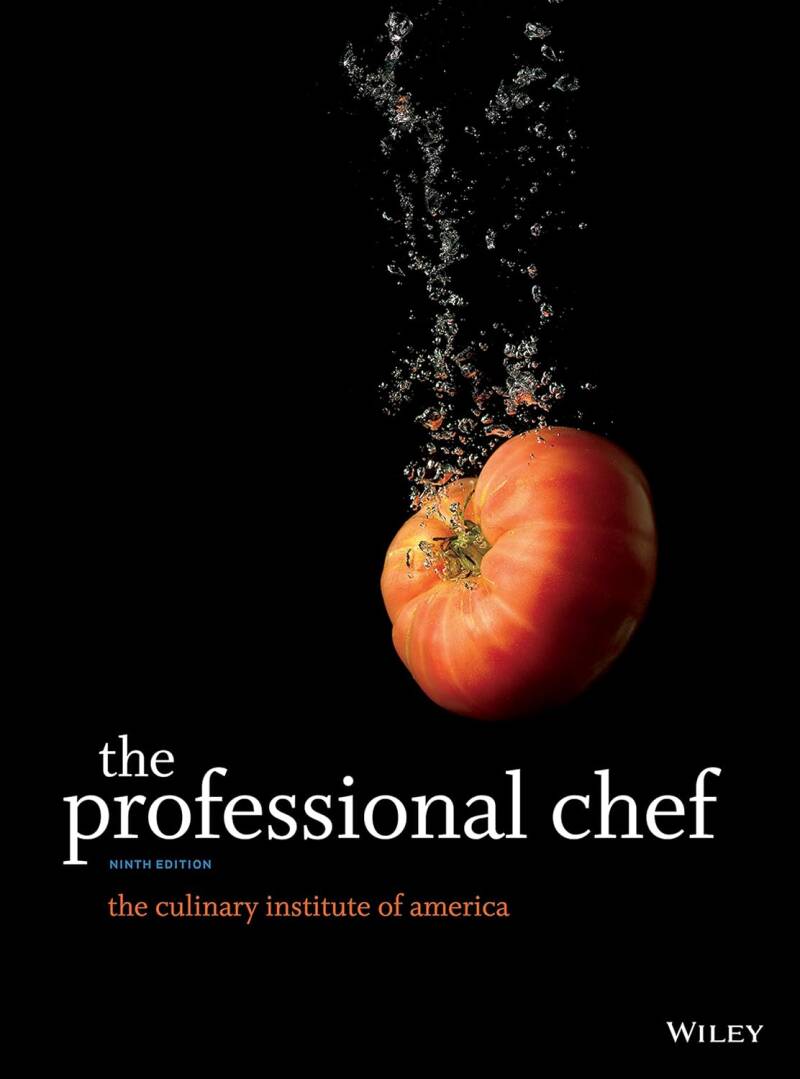
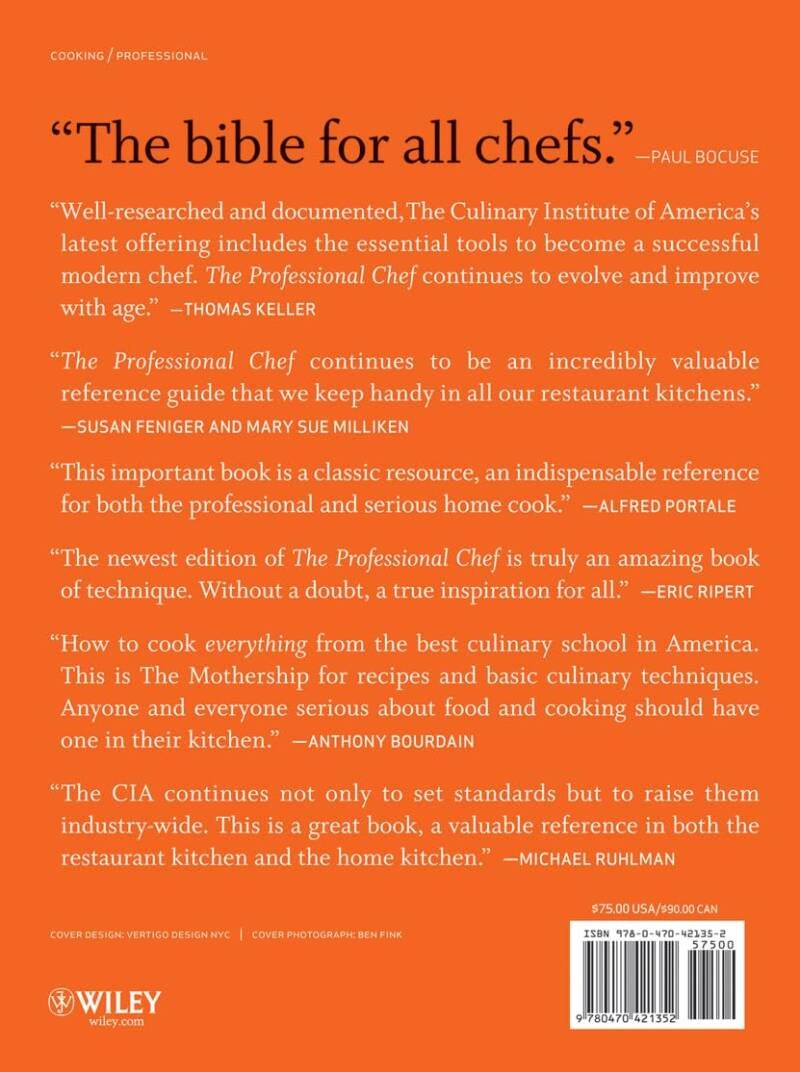
The Professional Chef, 9th Edition by The Culinary Institute of America stands as one of the most authoritative culinary textbooks ever produced. More than a cookbook, it functions as a structured curriculum in print, reflecting the disciplined training and professional standards associated with one of the world’s premier culinary institutions. From its first pages, the book makes clear that it is designed not merely to provide recipes, but to cultivate mastery. It bridges the gap between theory and practice, combining foundational culinary science with hands-on application in a way that mirrors a formal kitchen education.
What immediately distinguishes this edition is its sheer depth and scope. Spanning well over a thousand pages, the text is comprehensive without feeling careless or redundant. It is meticulously organized to guide readers through progressive levels of understanding, beginning with fundamental principles such as sanitation, knife skills, mise en place, and kitchen professionalism before moving into more advanced techniques. This structured progression reinforces the philosophy that true culinary artistry rests on disciplined fundamentals rather than flashy presentation alone.
The writing style reflects the professionalism of its authorship. Rather than adopting the casual, conversational tone found in many modern cookbooks, the language is clear, precise, and instructional. It assumes the reader is serious about learning and respects their intelligence. Techniques are described methodically, with careful explanations of not only how to perform a task but why it matters. The inclusion of culinary science—such as heat transfer, protein coagulation, emulsification, and starch gelatinization—grounds the text in technical understanding, elevating it beyond simple recipe instruction.
One of the most compelling aspects of this edition is its emphasis on visual learning. Hundreds of full-color photographs accompany the techniques and recipes, offering step-by-step guidance that demystifies complex procedures. Whether demonstrating the fabrication of poultry, the proper formation of quenelles, or the execution of advanced plating techniques, the visuals provide clarity that words alone often cannot achieve. This thoughtful design makes the book especially valuable for visual learners and for those practicing independently outside of a classroom environment.
The coverage of foundational categories such as stocks, sauces, soups, and classical preparations reflects the enduring influence of French culinary tradition. Mother sauces are explored in detail, along with their derivatives, reinforcing the idea that professional cooking relies on systems and frameworks. Yet the book does not confine itself to classical European cuisine. It acknowledges the evolving global landscape of gastronomy by incorporating diverse ingredients, flavor profiles, and techniques from around the world. This balance between tradition and innovation gives the text both historical grounding and modern relevance.
The recipes themselves are intentionally structured as learning tools. Rather than prioritizing ease or speed, they are designed to reinforce specific techniques. Many are scaled for professional kitchens, requiring adaptation for smaller households. This may present a challenge for casual home cooks, but it accurately reflects the realities of culinary production. The precision of measurements, reliance on weight rather than volume, and professional terminology encourage readers to adopt industry standards, reinforcing discipline and consistency.
A notable strength of the ninth edition is its inclusion of contemporary topics such as plated desserts, flavor building, and modern presentation. These additions acknowledge the shift in fine dining toward thoughtful plating and refined aesthetics. The plating section, in particular, serves as a reminder that culinary excellence involves not only taste but also visual composition. Through examples and guidance, the book encourages chefs to think like designers, considering balance, contrast, and focal points on the plate.
Despite its many strengths, the book can feel intimidating. Its scale, density, and technical language may overwhelm those without prior culinary experience. This is not a quick-flip cookbook for weeknight inspiration; it is a manual demanding patience and dedication. However, this intensity is precisely what makes it valuable. For those committed to professional growth, the rigor becomes an asset rather than a drawback. The book rewards persistence with competence.
Another admirable quality is its emphasis on professionalism and kitchen culture. Beyond recipes and techniques, it addresses organization, teamwork, timing, and standards of excellence. It reinforces the idea that cooking at a professional level is as much about discipline and consistency as it is about creativity. In doing so, it prepares readers not just to cook, but to operate effectively within a brigade system or high-pressure kitchen environment.
The book also excels as a long-term reference. Even seasoned chefs return to it for clarification or reinforcement of foundational methods. Its layout makes it suitable for consultation, whether reviewing butchery diagrams or revisiting sauce ratios. Over time, it becomes less of a textbook and more of a culinary companion—a reliable resource that evolves with the reader’s skill level.
In comparing it to more casual culinary publications, the distinction is clear. Many cookbooks focus on personality, storytelling, or trend-driven dishes. This work focuses on technique, structure, and mastery. While it may lack the narrative warmth of chef memoirs or lifestyle cookbooks, it compensates with intellectual and practical rigor. It speaks to those who view cooking as a craft to be honed rather than a hobby to be sampled.
The photography and updated layout in this edition represent a meaningful improvement over earlier versions. The clean design enhances readability and keeps such a substantial volume from feeling cluttered. Diagrams, charts, and instructional breakdowns are thoughtfully integrated, reinforcing clarity and usability. The visual polish reflects the professionalism of the institution behind it.
Ultimately, this edition succeeds because it aligns with a philosophy of excellence. It does not promise shortcuts or instant results. Instead, it emphasizes repetition, practice, and understanding. By presenting cooking as a discipline grounded in knowledge and technique, it elevates the craft to a serious pursuit worthy of study and respect.
In conclusion, The Professional Chef, 9th Edition remains a benchmark in culinary literature. It is demanding, thorough, and unapologetically professional. For culinary students, aspiring restaurateurs, and dedicated cooks, it offers a roadmap to technical proficiency and creative confidence. Though it may challenge its readers, it ultimately equips them with the tools to think, cook, and operate like true professionals in the kitchen.

Hidden Potential by Adam Grant is a thought-provoking and empowering book that challenges the traditional idea that success is reserved only for those born with exceptional talent. Instead, Grant invites readers to rethink achievement as something that can be cultivated through effort, character, and intentional growth.
From the very beginning, the book reframes how we view potential. Grant emphasizes that where you start matters far less than how you develop. He reminds us that progress is not about instant brilliance, but about steady improvement over time.
One of the most compelling themes in Hidden Potential is the importance of learning how to learn. Grant highlights that individuals who continuously refine their skills and remain open to feedback often outperform those who rely solely on natural ability.
The book also places strong emphasis on the role of discipline and consistency. Rather than chasing perfection, Grant encourages readers to focus on showing up, practicing deliberately, and embracing the process—even when it feels uncomfortable.
Another powerful takeaway is the value of resilience. Grant illustrates how setbacks, failures, and obstacles are not signs of limitation, but opportunities for growth. These moments, when handled with the right mindset, become stepping stones rather than roadblocks.
Grant also explores the impact of mentorship and community. He demonstrates how the right guidance, encouragement, and environment can unlock growth that might otherwise remain dormant. Success, he argues, is rarely achieved alone.
Throughout the book, Grant uses real-world stories and research to show how ordinary people achieve extraordinary results. These examples make the message relatable and reinforce the idea that potential exists in places we often overlook.
A key strength of Hidden Potential is its practicality. The book doesn’t just inspire—it provides actionable insights that readers can apply immediately in their personal lives, careers, and leadership journeys.
For entrepreneurs, creatives, and professionals alike, Grant’s message is both reassuring and motivating. You don’t need to be the best in the room on day one—you simply need the willingness to grow.
At Thompson Square Gardens Restaurant Company, we believe growth is a daily commitment. Whether in the kitchen, in business operations, or in serving our community, continuous improvement is at the heart of everything we do.
Hidden Potential aligns seamlessly with our values of perseverance, teamwork, and purpose-driven excellence. It serves as a reminder that success is built through dedication, not entitlement.
As this week’s Inspirational Book of the Week, Hidden Potential encourages us all to invest in growth, support one another, and recognize that greatness is developed—not discovered. The potential is already within reach; it’s what we choose to do with it that makes the difference.
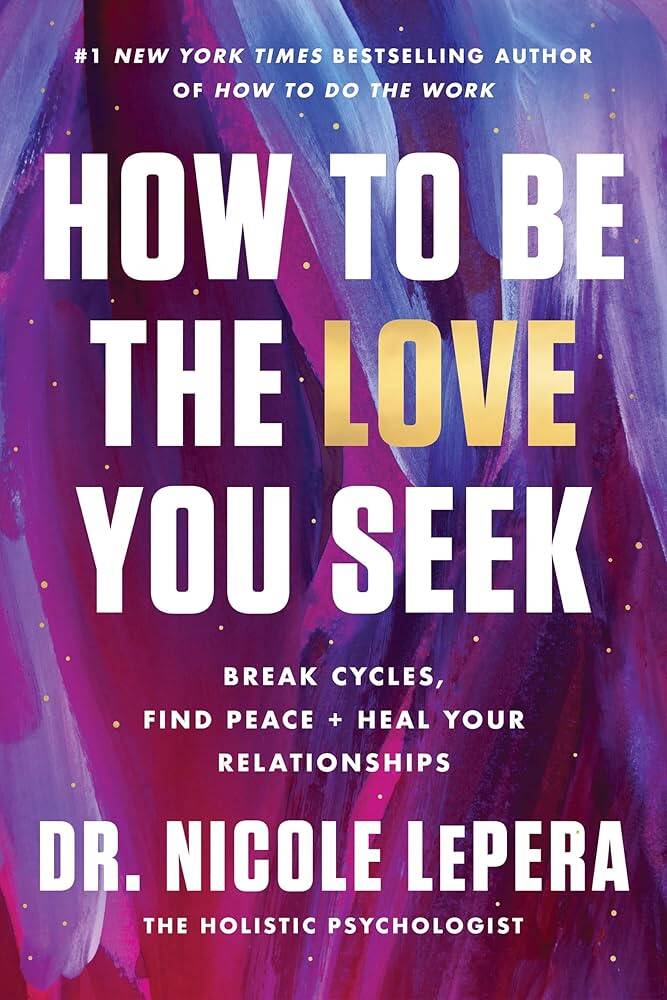
Dr. Nicole LePera’s How to Be the Love You Seek: Break Cycles, Find Peace, and Heal Your Relationships is a compassionate and grounding exploration of how our earliest emotional patterns shape the relationships we form as adults. Building on her work as “The Holistic Psychologist,” LePera invites readers to turn inward rather than outward when seeking love, stability, and connection. The book challenges the common belief that fulfillment comes from finding the “right” person, arguing instead that healing begins with the self.
At its core, the book examines attachment styles and how unhealed childhood wounds influence romantic, familial, and even professional relationships. LePera breaks down anxious, avoidant, and disorganized attachment patterns in a way that feels accessible without oversimplifying their impact. She makes it clear that these patterns are not flaws, but learned survival strategies that once protected us and can now be gently unlearned.
One of the book’s greatest strengths is its emphasis on self-awareness. LePera encourages readers to observe their emotional triggers, bodily responses, and recurring relationship conflicts without judgment. Through this lens, relationships become mirrors—revealing unresolved needs, fears, and beliefs that live beneath conscious awareness. This reframing helps reduce blame and invites personal responsibility in a way that feels empowering rather than shaming.
The author also places significant focus on the nervous system, explaining how dysregulation affects our ability to communicate, set boundaries, and feel safe in intimacy. By connecting psychology with physiology, LePera deepens the reader’s understanding of why logic alone often fails in emotionally charged moments. Her explanation of fight, flight, freeze, and fawn responses adds clarity to behaviors many people struggle to understand in themselves and others.
Throughout the book, LePera offers practical tools such as journaling prompts, mindfulness practices, and self-regulation exercises. These tools are woven naturally into the narrative, encouraging active participation rather than passive reading. The practices are designed to help readers build emotional safety within themselves before seeking it externally, reinforcing the book’s central message of self-led healing.
Another compelling theme is the idea of breaking generational cycles. LePera acknowledges how family dynamics, cultural conditioning, and trauma are often passed down unconsciously. By becoming aware of these patterns, readers are shown how to stop repeating familiar but harmful relationship dynamics. The book frames this process as an act of self-compassion and courage rather than rebellion or blame.
LePera’s writing style is direct, warm, and validating, which makes complex psychological concepts feel approachable. She speaks with authority but avoids clinical detachment, often reminding readers that healing is nonlinear and deeply human. This tone helps the book feel like a supportive guide rather than a prescriptive manual.
The book also addresses the discomfort of change, emphasizing that healing often requires sitting with loneliness, uncertainty, and grief. LePera does not promise quick fixes or instant transformation. Instead, she normalizes the slow and sometimes painful process of relearning how to relate to oneself and others in healthier ways.
A notable strength of How to Be the Love You Seek is its insistence on personal accountability without sacrificing empathy. LePera encourages readers to recognize how their unhealed wounds may contribute to relational conflict, while also honoring the pain that shaped those wounds in the first place. This balance allows for growth without self-punishment.
The book is particularly impactful for readers who find themselves repeating the same relationship patterns despite conscious effort to change. It offers insight into why awareness alone is not enough and why embodiment and nervous system work are essential for lasting change. This perspective bridges the gap between understanding and transformation.
While the book is deeply introspective, it remains hopeful. LePera consistently reinforces the idea that secure, loving relationships are built—not found—and that anyone can develop the capacity for healthy connection with commitment and practice. Love, in this framework, becomes a skill cultivated through self-trust and emotional regulation.
In conclusion, How to Be the Love You Seek is a powerful and affirming guide for anyone seeking to heal their relationship with themselves and others. Dr. Nicole LePera offers a roadmap for breaking old cycles and creating grounded, authentic connections rooted in self-love. The book ultimately reminds readers that the love they are searching for begins within—and grows outward from there.
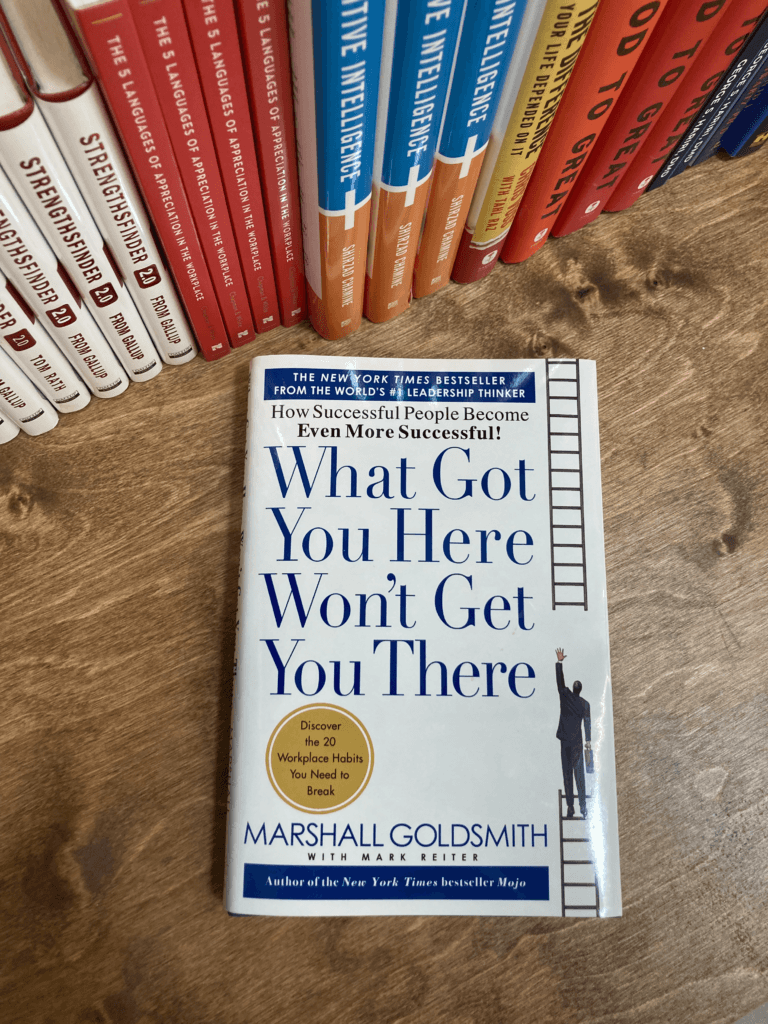
Growth in leadership and life often requires more than talent, intelligence, or hard work. In What Got You Here Won’t Get You There, renowned executive coach Marshall Goldsmith delivers a powerful and practical message: the behaviors that helped you achieve success may be the very ones preventing you from reaching the next level.
This book focuses not on strategy or technical expertise, but on personal behavior and self-awareness. Drawing from decades of experience coaching top executives and leaders across industries, Goldsmith highlights how small, often overlooked habits can undermine relationships, limit influence, and stall professional growth.
At the heart of the book is a simple but challenging truth: success demands continuous change. As responsibilities increase, expectations shift, and leadership roles expand, individuals must evolve accordingly. Goldsmith emphasizes that past success can create blind spots, especially when leaders assume that what worked before will continue to work indefinitely.
Rather than focusing on what leaders do right, Goldsmith examines what they do wrong. He identifies common behaviors that can quietly damage credibility, such as failing to listen, needing to be right, withholding appreciation, or responding defensively to feedback. These habits, while often unintentional, can limit long-term effectiveness and trust.
What Got You Here Won’t Get You There is especially relevant for leaders, entrepreneurs, and professionals striving for sustained excellence. Goldsmith makes it clear that leadership is not just about results, but about relationships. True influence comes from how we treat others, how open we are to feedback, and how willing we are to change.
One of the book’s most valuable contributions is the concept of “feedforward.” Instead of dwelling on past mistakes, Goldsmith encourages individuals to seek suggestions for future improvement. This forward-focused approach creates a more constructive environment for growth and collaboration.
Key Lessons and Takeaways
*Self-awareness is essential for growth. Identifying habits that no longer serve you is the first step toward meaningful change.
*Feedback is a tool, not a threat. Actively seeking input from others helps uncover blind spots and strengthens leadership effectiveness.
*Relationships matter more than ego. Listening, showing gratitude, and acknowledging others’ contributions are critical components of strong leadership.
*Change requires consistency. Real improvement happens through daily practice, accountability, and a willingness to evolve over time.
What Got You Here Won’t Get You There serves as a timely reminder that success is not a final destination. Growth requires humility, intentional effort, and the courage to change behaviors that may feel comfortable but are no longer effective. For anyone seeking to elevate their leadership, deepen their impact, or continue growing beyond past achievements, this book offers insight that is both practical and transformative.
This week’s Inspirational Book of the Week challenges us to reflect not just on where we are, but on who we must become to move forward.
Double Awesome Chinese Food: Irresistible and Totally Achievable Recipes from Our Chinese-American Kitchen
by Sharon and Rachel Yu
At Thompson Square Gardens Restaurant Company, we believe inspiration often begins in the kitchen—and this week’s Inspirational Book of the Week is a perfect example of that philosophy in action.
Double Awesome Chinese Food is more than a cookbook; it’s a celebration of heritage, family, and the joyful fusion of tradition and modern American life. Written by mother-daughter duo Sharon and Rachel Yu, this book brings the warmth of a Chinese-American kitchen straight to your home with recipes that are bold, comforting, and refreshingly approachable.
What makes this book truly “double awesome” is its balance. The recipes honor classic Chinese flavors—think savory sauces, aromatic spices, and deeply satisfying textures—while presenting them in a way that feels achievable for everyday cooks. Whether you’re preparing a quick weeknight dinner or hosting a table full of guests, these dishes invite confidence without sacrificing authenticity.
Beyond the recipes, the heart of the book lies in its storytelling. The Yu family’s journey, woven throughout the pages, reminds us that food is a living history—passed down, adapted, and shared across generations. It’s a message that resonates deeply with us at Thompson Square Gardens, where culture, community, and cuisine come together at every table.
This book inspires us to embrace our roots, honor our families, and approach cooking with both respect and creativity. It encourages readers to see the kitchen not as a place of pressure, but as a space for connection, experimentation, and joy.
If you’re looking for a read that will spark your appetite, deepen your appreciation for cultural cuisine, and motivate you to cook with confidence and heart, Double Awesome Chinese Food is a must-read.
✨ This week, let it inspire you to cook boldly, love deeply, and share generously.
— Thompson Square Gardens Restaurant Company
Add comment
Comments