Portion control often carries a negative reputation. For many, it feels like restriction, deprivation, or constantly measuring what’s on the plate. But true portion control isn’t about eating less flavor — it’s about eating with intention. When approached correctly, it enhances the dining experience rather than limiting it.
The purpose of portion control is balance, not punishment. Our bodies require nutrients in appropriate amounts to function optimally. Oversized portions, especially in today’s dining culture, can distort our perception of what a serving truly looks like. Learning to adjust portions simply restores alignment with what our bodies genuinely need.
One of the biggest misconceptions is that smaller portions mean bland or unsatisfying meals. In reality, satisfaction comes more from flavor intensity and balance than from sheer volume. A thoughtfully seasoned dish can feel more indulgent in a moderate portion than a large plate of under-seasoned food.
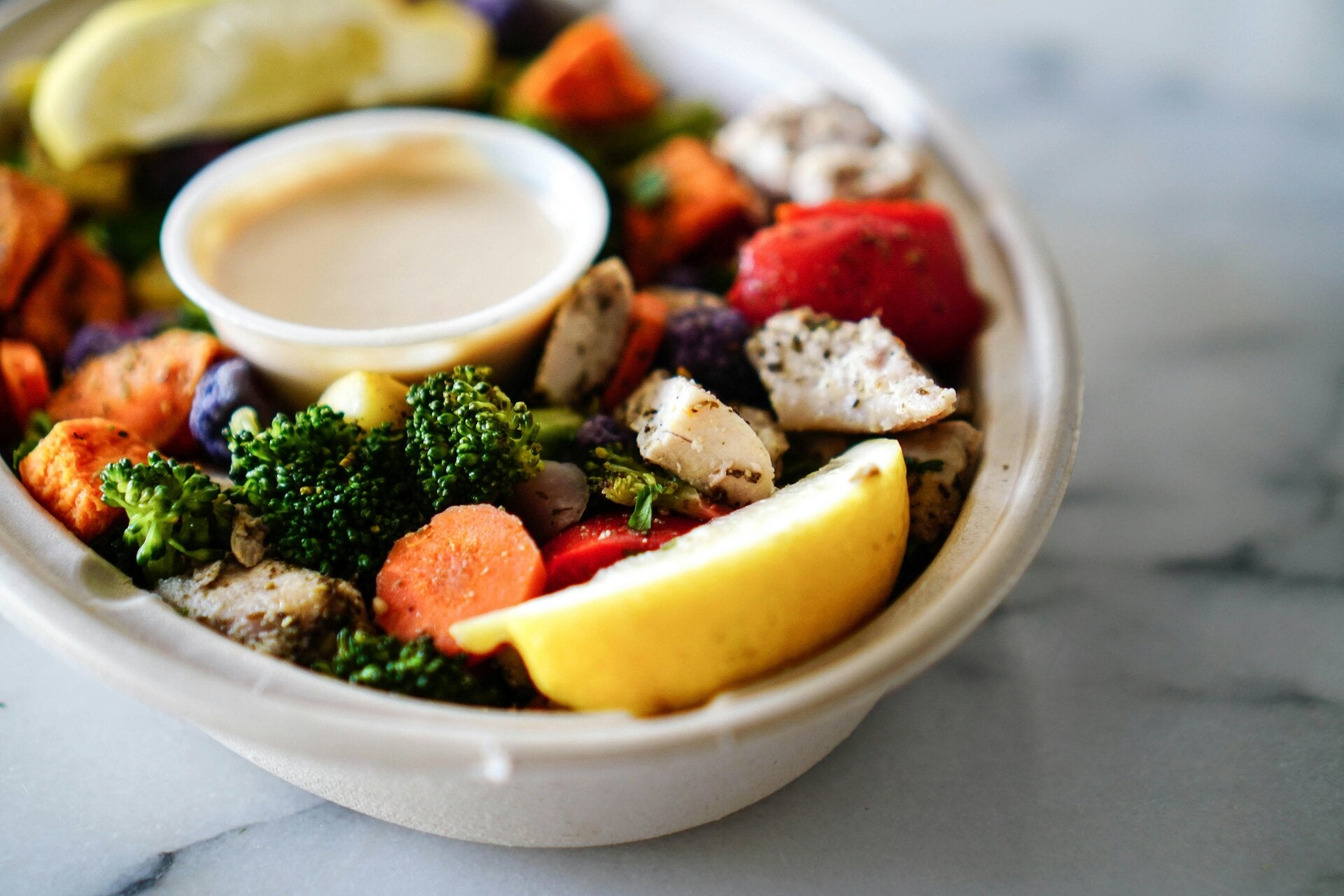
Flavor concentration is key. Using fresh herbs, citrus zest, spices, garlic, and high-quality oils allows a smaller serving to feel vibrant and complete. When ingredients are chosen intentionally, every bite carries impact. You don’t need excess quantity when flavor is well-developed.
Protein plays a major role in portion satisfaction. Lean meats, fish, legumes, or plant-based proteins help you feel full longer. When protein is properly seasoned and cooked with care, even a moderate serving feels hearty and nourishing.
Fiber-rich foods also support portion control without compromise. Vegetables, whole grains, and legumes add volume and texture while being nutrient-dense. A plate built with colorful vegetables and balanced grains feels abundant without being excessive.
Presentation matters more than people realize. A well-plated dish with thoughtful arrangement can appear generous even in moderate portions. Restaurants often use plating techniques to create visual satisfaction — you can do the same at home. A clean plate, layered textures, and intentional garnishes elevate perception.
Mindful eating further enhances portion control. Slowing down, chewing thoroughly, and savoring each bite allows your brain to register fullness naturally. When meals are rushed, it’s easy to overeat before the body signals satisfaction. Awareness transforms the experience.
Balanced macronutrients — protein, healthy fats, and complex carbohydrates — help regulate appetite. When meals lack balance, cravings often follow. A properly structured plate prevents the need for oversized servings because the body feels nourished.
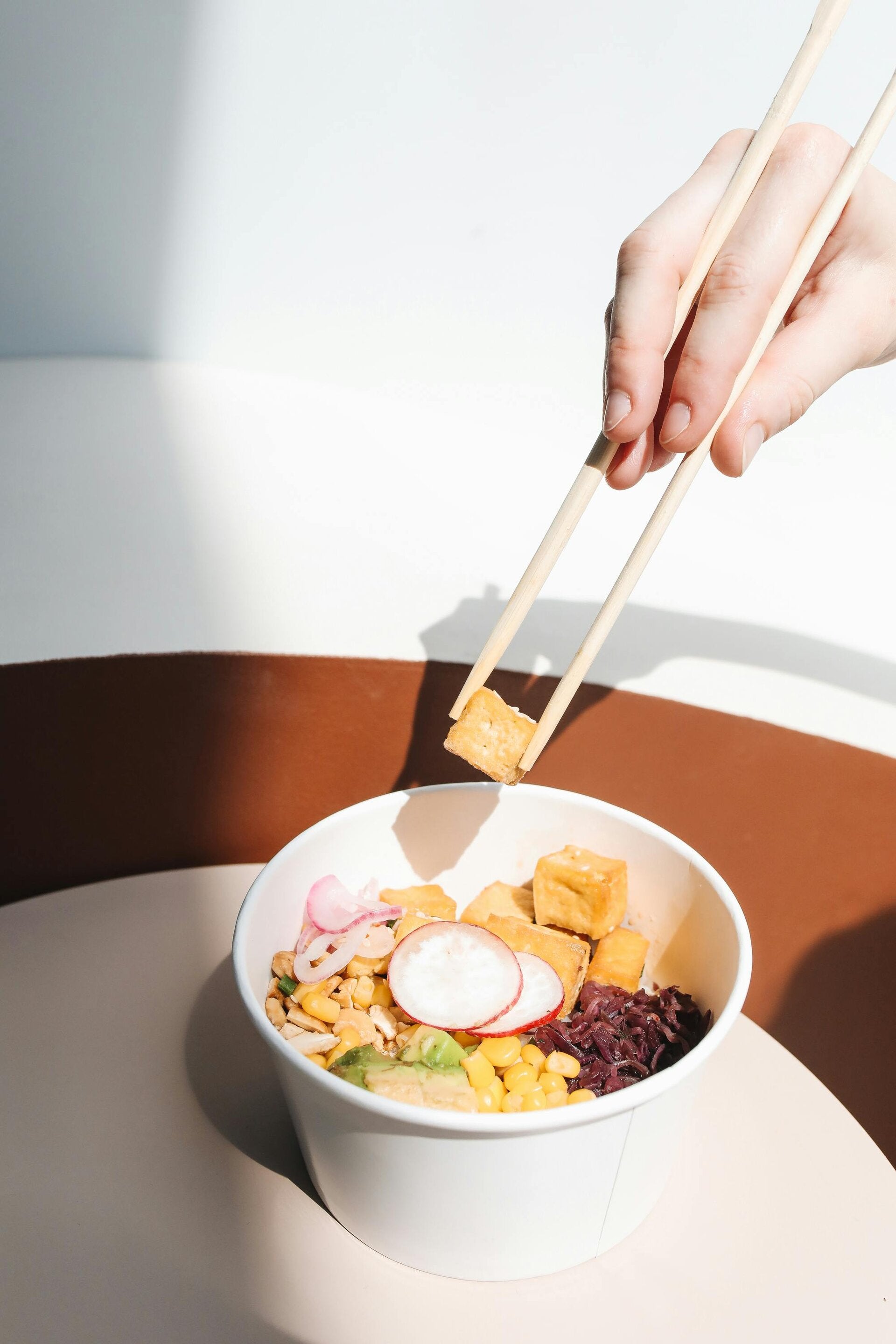
Healthy fats are especially powerful for flavor. A drizzle of olive oil, a sprinkle of nuts, or slices of avocado provide richness and satiety. Because fats carry flavor so effectively, even a small addition can make a moderate portion deeply satisfying.
Strategic indulgence also plays a role. Instead of eliminating favorite foods, enjoy them in controlled amounts. A smaller serving of a rich dish can satisfy cravings when eaten intentionally. Deprivation often leads to overeating later, while balanced inclusion promotes sustainability.
Hydration is another overlooked factor. Sometimes hunger cues are intensified by mild dehydration. Drinking water before and during meals can help regulate appetite and support mindful portions.
It’s also helpful to understand that portion control does not mean eating the same amount at every meal. Activity level, time of day, and personal health goals influence needs. Flexibility within structure creates a sustainable approach rather than rigid rules.
Ultimately, portion control without sacrificing flavor is about quality over quantity. When meals are built with intention, seasoned boldly, and enjoyed mindfully, smaller portions feel satisfying and complete. The goal is not to eat less joy — it’s to experience more of it in every bite.


Add comment
Comments