Desserts are often seen as pure indulgence, a final touch to a memorable meal, or a comforting reward after a long day. But behind every flawless slice of cake, silky custard, or perfectly baked cookie lies a fascinating blend of precision, chemistry, and creativity. The “sweet science” of desserts is what transforms simple ingredients into extraordinary experiences that delight the senses.
At its core, dessert-making is chemistry in action. Sugar, flour, eggs, butter, and leavening agents all interact in specific ways when exposed to heat, cold, or mixing. A slight change in ratio or temperature can completely alter the outcome of a recipe. Understanding how these ingredients behave is what separates casual baking from true culinary mastery.
Sugar, for example, does much more than just add sweetness. It affects texture, moisture, and even structure. In cakes, sugar helps trap air during the creaming process, creating a light and fluffy crumb. In cookies, it influences spread and crispiness. It also plays a role in browning through caramelization and the Maillard reaction, which gives baked goods their golden color and deep flavor.
Flour is another essential component that brings structure to desserts. The gluten proteins in flour develop when mixed with liquid, forming a network that holds everything together. Too much mixing can lead to tough, dense desserts, while too little can result in a crumbly or unstable structure. Mastering flour balance is key to achieving the perfect texture.
Eggs act as both binders and emulsifiers in dessert recipes. The proteins in eggs coagulate when heated, providing structure, while the yolks add richness and fat. They also help emulsify ingredients like butter and water, ensuring a smooth and cohesive batter. Without eggs, many desserts would lack stability and depth.
Fats such as butter, cream, and oils are responsible for richness and mouthfeel. Butter, in particular, plays a crucial role in flavor development. When creamed with sugar, it incorporates air, which helps leaven baked goods. It also melts during baking, creating tenderness and a melt-in-your-mouth experience that defines many classic desserts.
Leavening agents like baking powder and baking soda are what make desserts rise. These ingredients release gases when activated, creating bubbles that expand under heat. This process is what gives cakes their height and cookies their light texture. Without proper leavening, desserts would be flat and dense rather than airy and inviting.
Temperature control is another critical element in dessert science. From chilling dough to baking at precise oven temperatures, heat dictates how ingredients react. Even a few degrees can mean the difference between a soft, gooey cookie and a dry, overbaked one. Precision is essential for consistency and perfection.
Timing is just as important as temperature. Overmixing batter or overbaking a dessert can ruin its intended texture. Professional bakers often rely on both visual cues and timers to ensure that each stage of the process is executed flawlessly. Patience becomes a key ingredient in achieving excellence.
Flavor development in desserts goes beyond sweetness. Vanilla, chocolate, fruit, spices, and even salt all contribute layers of complexity. Salt, in particular, enhances sweetness and balances flavor profiles. The best desserts are those that engage multiple taste sensations rather than relying on sugar alone.
Texture is another defining feature of great desserts. A perfect dessert often combines contrasting textures—such as a crunchy crust with a creamy filling or a soft cake paired with a crisp topping. These contrasts create a more dynamic and satisfying eating experience that keeps the palate engaged.
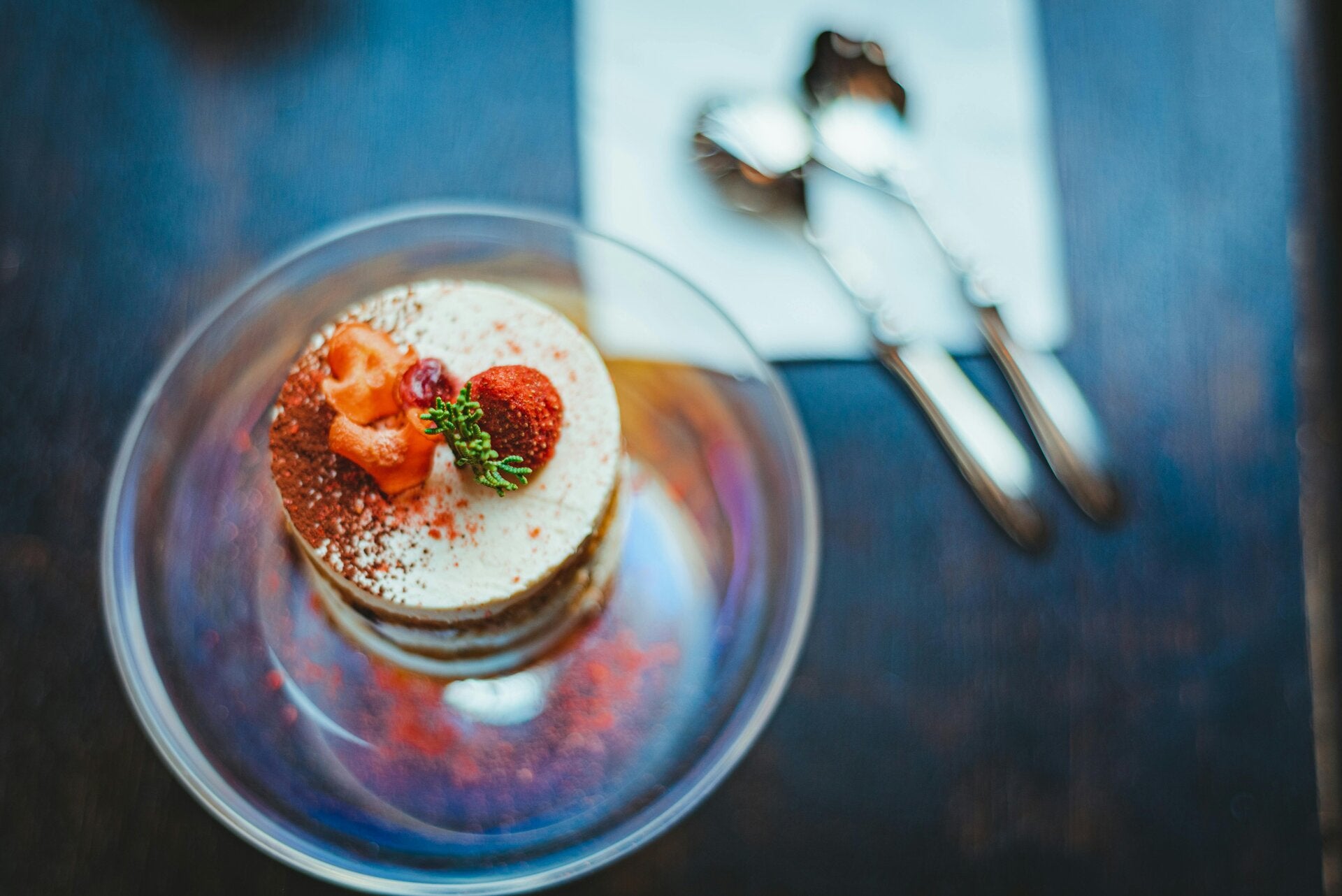
Presentation also plays a role in the magic of desserts. Humans eat with their eyes first, and an appealing visual presentation can elevate even the simplest treat. Color, plating, and decoration all contribute to the overall perception of flavor and quality, making dessert as much an art form as it is a science.
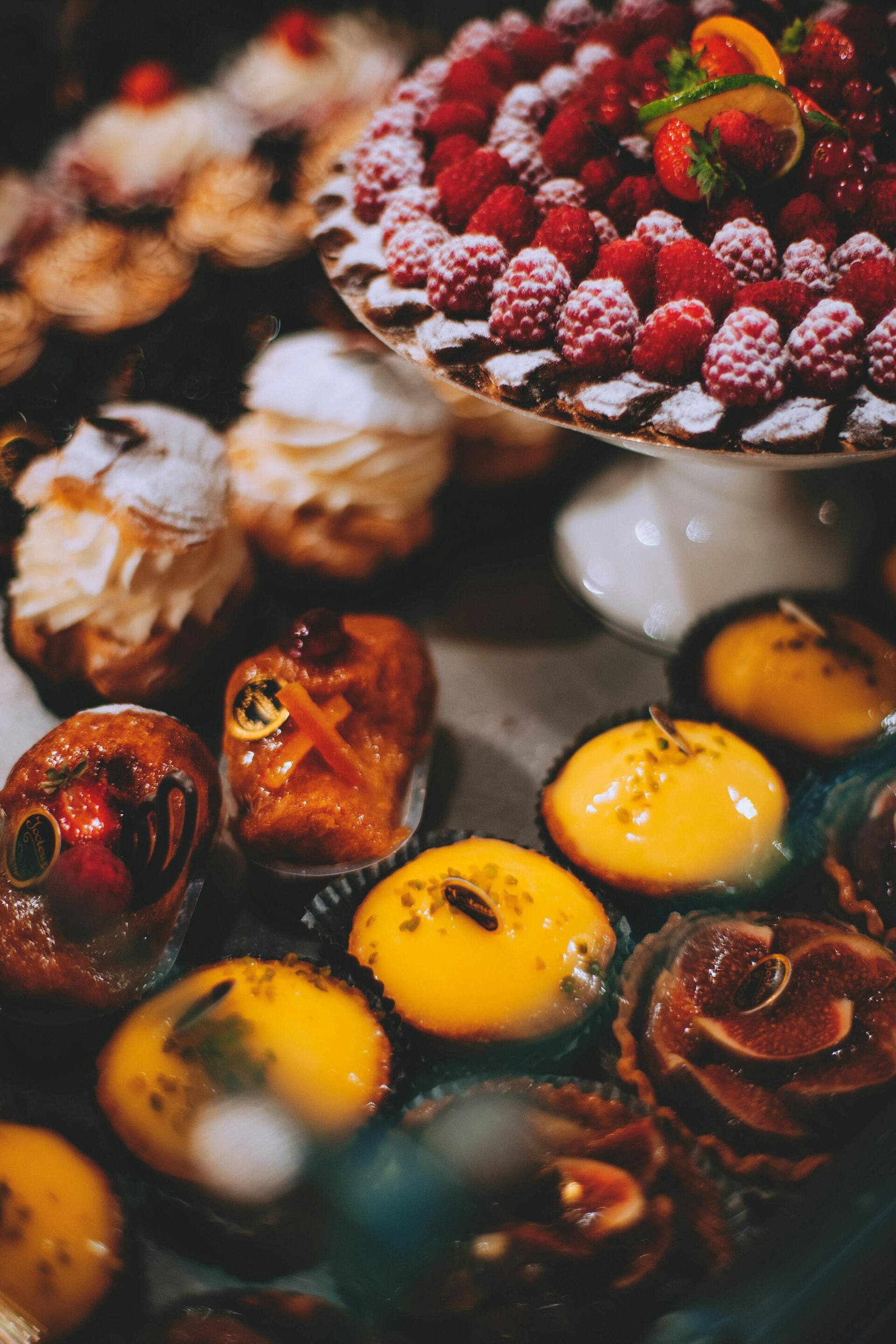
Cultural influence further shapes the world of desserts. From French patisserie to Italian gelato and American pies, each culture brings its own techniques, ingredients, and traditions. These global inspirations continue to evolve modern dessert-making, blending heritage with innovation.
Ultimately, the magic behind perfect desserts lies in the harmony of science and creativity. While precision and technique provide the foundation, imagination brings desserts to life. Every successful dessert is a balance of measured chemistry and artistic expression.
In the end, understanding the sweet science not only improves baking skills but also deepens appreciation for every bite. Behind every dessert is a story of transformation—where simple ingredients become moments of joy, crafted through knowledge, care, and a touch of magic.


Add comment
Comments