Food safety is one of the most critical responsibilities in the food service industry. Regardless of whether an operation is a restaurant, catering company, food truck, institutional cafeteria, or meal prep service, protecting the health of customers must remain the highest priority. Food safety is not simply a regulatory requirement—it is a fundamental commitment to public health, operational excellence, and business integrity. When food safety standards are neglected, the consequences can be severe for both consumers and businesses.
Every food service operation shares a common responsibility to provide food that is safe for consumption. Customers place trust in food service providers every time they purchase a meal. That trust is built on the expectation that food has been sourced, stored, prepared, and served according to established safety standards. Maintaining that trust requires constant vigilance and a culture of accountability.
Compliance begins with understanding foodborne illness risks. Harmful bacteria, viruses, parasites, and contaminants can enter the food supply at various stages of production and service. Improper food handling practices can create conditions that allow these hazards to multiply. Education and awareness are essential first steps in preventing foodborne illness outbreaks.
Proper food storage is a cornerstone of food safety compliance. Perishable items must be stored at appropriate temperatures to prevent bacterial growth. Refrigeration units should be monitored regularly, and inventory should follow first-in, first-out rotation practices. Effective storage procedures help preserve food quality while minimizing health risks.
Temperature control remains one of the most important elements of safe food handling. Foods that remain within the "danger zone" temperature range for extended periods become vulnerable to bacterial growth. Food service operators must carefully monitor cooking, holding, cooling, and reheating temperatures. Consistent temperature management reduces the likelihood of contamination.
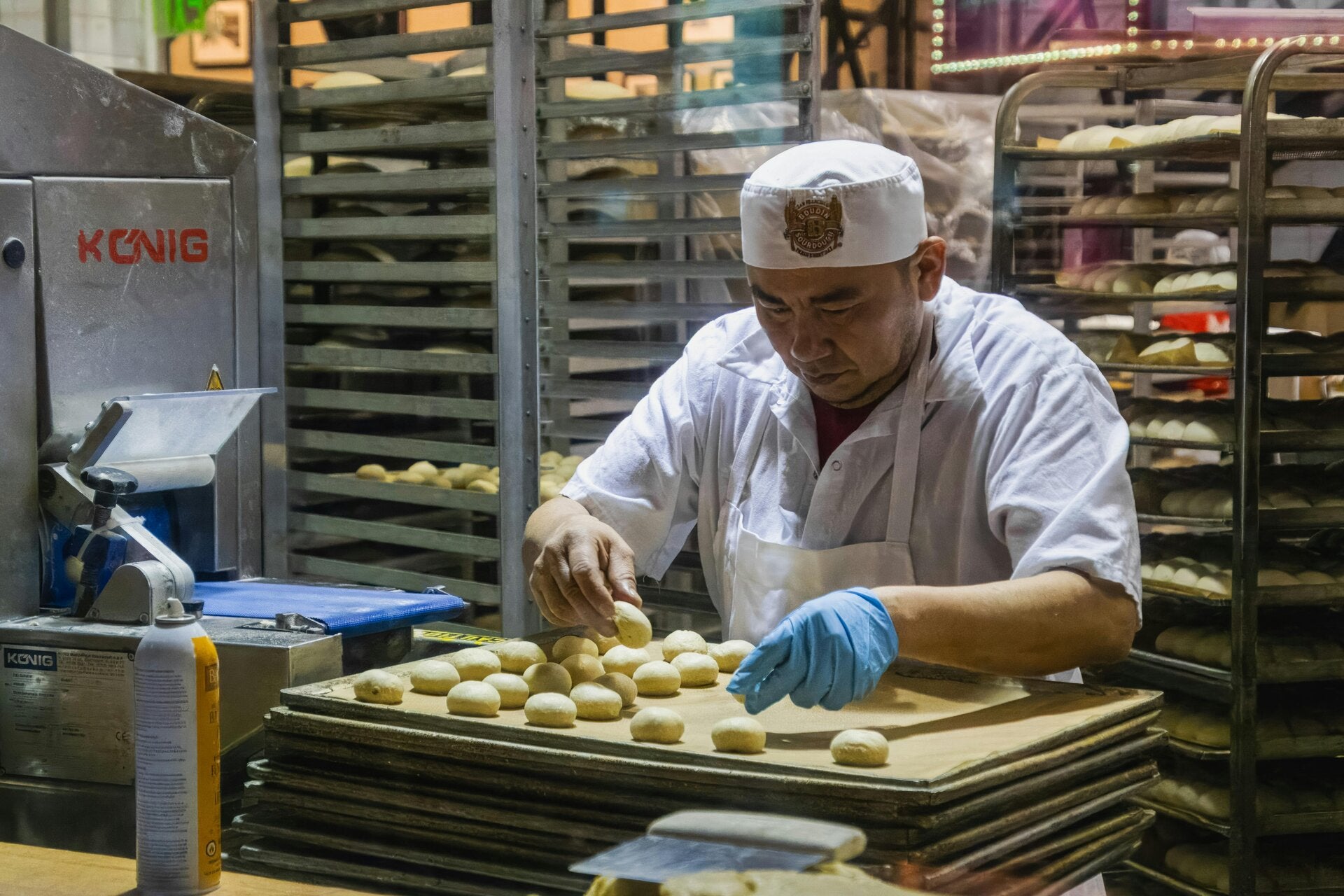
Personal hygiene standards are equally important. Employees who handle food must follow strict handwashing procedures and maintain high standards of cleanliness. Proper hygiene reduces the risk of transferring harmful pathogens to food products. Training staff on hygiene protocols is one of the most effective ways to prevent food safety incidents.
Cross-contamination is another significant concern across all food service models. Raw meats, seafood, and poultry can introduce harmful bacteria if they come into contact with ready-to-eat foods. Separate preparation areas, color-coded cutting boards, and proper sanitization practices help minimize this risk. Preventing cross-contamination protects both customers and business reputations.
Cleaning and sanitation programs are fundamental to compliance. Equipment, utensils, food-contact surfaces, and dining areas must be cleaned and sanitized regularly. A well-documented cleaning schedule ensures consistency and accountability. Clean facilities not only improve food safety but also create positive impressions for customers and inspectors alike.
Food safety training should be an ongoing process rather than a one-time event. Employees at all levels must understand food safety principles and their role in maintaining compliance. Refresher courses, certifications, and regular coaching help reinforce best practices. A knowledgeable workforce is one of the strongest defenses against food safety failures.
Regulatory compliance varies by jurisdiction but generally includes health inspections, licensing requirements, and adherence to local food codes. Operators must stay informed about changing regulations and maintain accurate records. Proactive compliance reduces the risk of violations, fines, and operational disruptions.
Technology has become an increasingly valuable tool in food safety management. Digital temperature monitoring systems, inventory tracking software, and automated compliance logs improve accuracy and efficiency. These technologies provide real-time visibility into potential risks and allow operators to respond quickly when issues arise.
Food safety is particularly important for non-traditional food service models such as food trucks, catering operations, and pop-up kitchens. Mobile environments often present additional challenges related to storage, transportation, and sanitation. Operators must implement robust procedures to ensure compliance regardless of location or service style.
Beyond compliance, food safety contributes directly to brand reputation and customer loyalty. A single foodborne illness incident can damage years of hard work and erode consumer trust. Businesses known for maintaining high standards often benefit from stronger customer confidence and positive word-of-mouth referrals.
Ultimately, food safety is non-negotiable because it affects every aspect of a food service operation. It protects customers, supports regulatory compliance, safeguards brand reputation, and promotes long-term business success. Regardless of the food service model, organizations that prioritize food safety demonstrate professionalism, responsibility, and respect for the communities they serve. In the hospitality industry, there is no substitute for a commitment to safe food practices.




Add comment
Comments