Food has a remarkable way of connecting us to the people, places, and memories that shaped our lives. A single bite can transport us back to a family kitchen, a holiday gathering, a Sunday dinner, or a childhood afternoon spent watching someone we love prepare a meal. Recipes passed down through generations are more than instructions for combining ingredients—they are pieces of family history, carefully preserved through taste, tradition, and love.
For many families, traditional recipes begin with a grandmother, grandfather, parent, aunt, uncle, or even an older relative whose cooking became legendary within the household. These recipes are often created from simple ingredients, yet their flavors can become unforgettable. A handwritten recipe card covered in notes, stains, and years of use can hold just as much sentimental value as a treasured photograph.
One of the most beautiful aspects of family recipes is that they are rarely written exactly as they are prepared. Instead, they may include phrases such as “a little bit of salt,” “cook until it looks right,” or “add enough flour.” Experienced cooks often relied on instinct rather than precise measurements. They learned through observation, practice, and years of standing beside someone who taught them how food should look, smell, feel, and taste.
Traditional recipes also tell stories about where families came from. Ingredients, cooking techniques, and favorite dishes can reflect cultural heritage, regional traditions, migration, and historical experiences. A recipe for bread, soup, stew, sauce, pastry, or dessert may carry influences from another country or region, reminding future generations of the places their ancestors once called home.
In many households, recipes become especially important during holidays and family celebrations. Certain dishes seem to belong to specific occasions, appearing on the table year after year. Whether it is a special holiday dessert, a signature roast, a beloved casserole, homemade bread, or a family-famous side dish, these foods become part of the celebration itself. When the familiar dish arrives at the table, it often feels as though generations of family members are present.
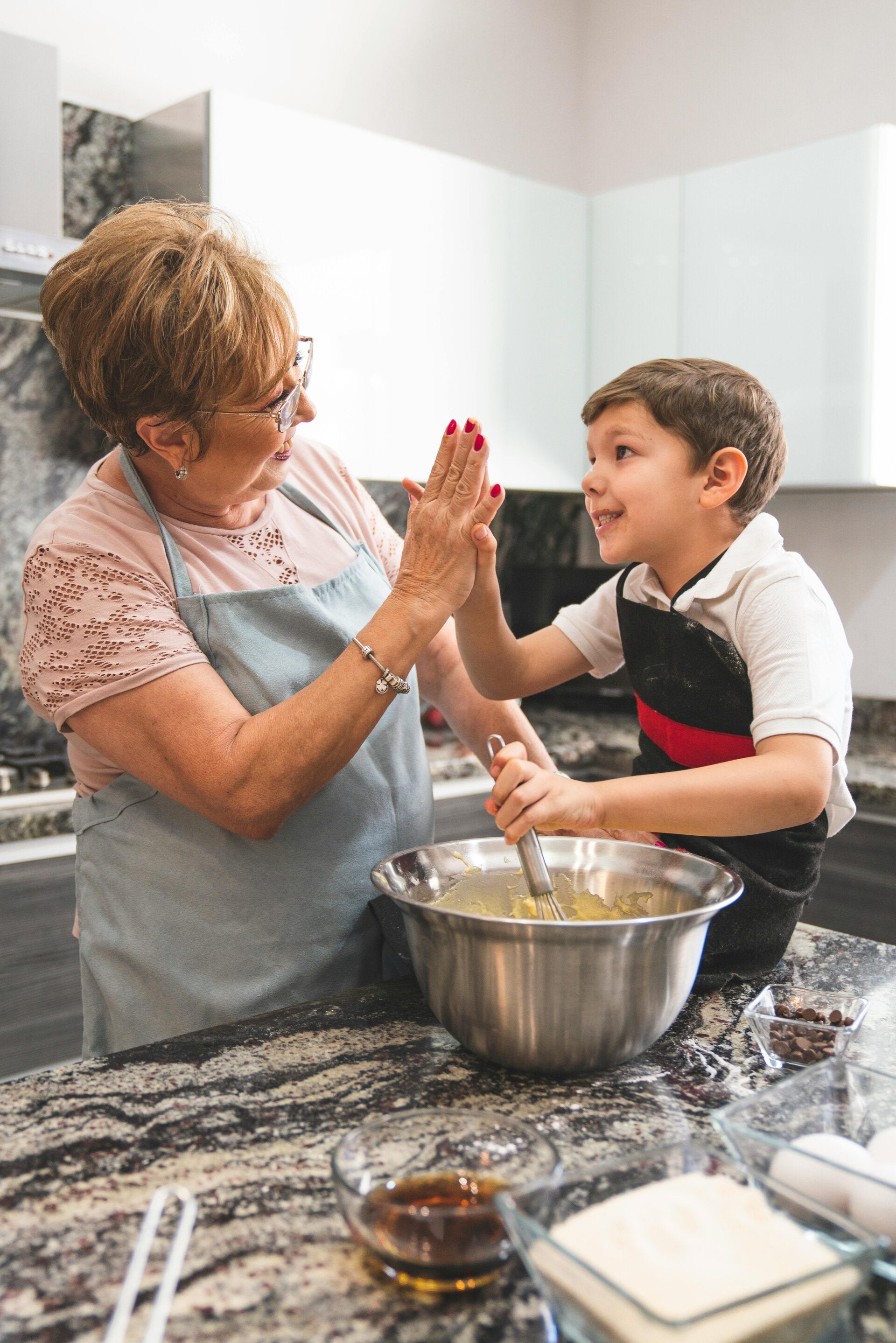
Passing down recipes is also a way of passing down knowledge. Cooking together creates opportunities for older generations to teach younger ones skills that cannot always be learned from a cookbook. Children may learn how to knead dough, season meat, prepare vegetables, make a sauce, or recognize when something is perfectly cooked. More importantly, they learn patience, responsibility, creativity, and the importance of taking pride in what they prepare for others.
Sometimes the most cherished recipes are not elaborate. They may be simple meals created during times when families had to make the most of what they had available. These dishes demonstrate creativity and resourcefulness. Generations before us often knew how to transform inexpensive or leftover ingredients into satisfying meals, proving that great cooking has never depended solely on expensive ingredients.
Recipes can also preserve the voices and personalities of the people who created them. A grandmother who always added an extra pinch of seasoning, a father who insisted on cooking something “low and slow,” or an aunt who refused to reveal the secret ingredient may become part of the recipe's identity. Even years later, preparing that dish can bring back memories of their laughter, advice, traditions, and presence.
As families grow and change, recipes can evolve while still maintaining their original spirit. A traditional dish might receive a modern twist, accommodate dietary needs, or incorporate ingredients that were unavailable to previous generations. These changes do not necessarily erase tradition. Instead, they demonstrate that traditions can remain alive by adapting to the people who continue them.
Technology has also created new ways to preserve family recipes. Old handwritten cards can be photographed, scanned, or transcribed into digital cookbooks. Family members can record videos of older relatives preparing their signature dishes, capturing not only the recipe but also the techniques and stories behind it. Social media and digital recipe collections can make it easier for families separated by distance to share and preserve their culinary heritage.
There is something particularly meaningful about preparing a recipe exactly as someone before you once did. The same ingredients may be measured, the same techniques repeated, and the same aromas may fill the kitchen. For a moment, the distance between generations seems smaller. Cooking becomes a conversation between the past and the present, reminding us that the people who came before us continue to influence who we are.
Family recipes can also bring people together. Food has a unique ability to create conversation and encourage people to gather around a table. Sharing a traditional meal gives relatives an opportunity to tell stories, laugh together, remember loved ones, and create new memories. In this way, a recipe does not simply preserve the past—it helps create the future.
Perhaps the greatest gift of a traditional recipe is the love associated with it. Someone took the time to prepare that food for others. They may have cooked it after a long day, prepared it for a celebration, or made it simply because they knew someone they loved enjoyed it. The recipe therefore becomes a symbol of care and generosity. Its true secret ingredient may not be a particular spice or technique, but the intention behind preparing it.
Ultimately, recipes passed down through generations remind us that food is about much more than nourishment. It is heritage, memory, creativity, family, and connection served one plate at a time. As we continue to cook the dishes handed down to us, we become caretakers of stories that began long before we entered the kitchen. And when we teach those recipes to the next generation, we ensure that the flavors, memories, and traditions of the past have a chance to live on.



Add comment
Comments