Trust is the foundation of any successful food brand. In an industry where customers are literally consuming what you offer, credibility matters more than clever marketing or trendy packaging. People want to feel confident that what they’re eating is safe, consistent, and worth their investment.
The first step in building trust is clarity of purpose. A food brand must know what it stands for—whether it’s quality ingredients, cultural authenticity, health-conscious offerings, or indulgent experiences. When your mission is clear, customers can quickly understand what makes your brand different.
Consistency is where many brands either succeed or fail. A customer who enjoys your product once expects that same level of quality every time. From taste and presentation to service and packaging, consistency builds reliability, and reliability builds trust.
Transparency is another critical factor. Today’s consumers are more informed than ever. They want to know where ingredients come from, how food is prepared, and what standards are followed. Brands that openly share this information position themselves as honest and dependable.
Quality should never be compromised. While cutting costs may offer short-term gains, it can damage long-term reputation. High-quality ingredients, proper preparation, and attention to detail show customers that you value their experience and well-being.
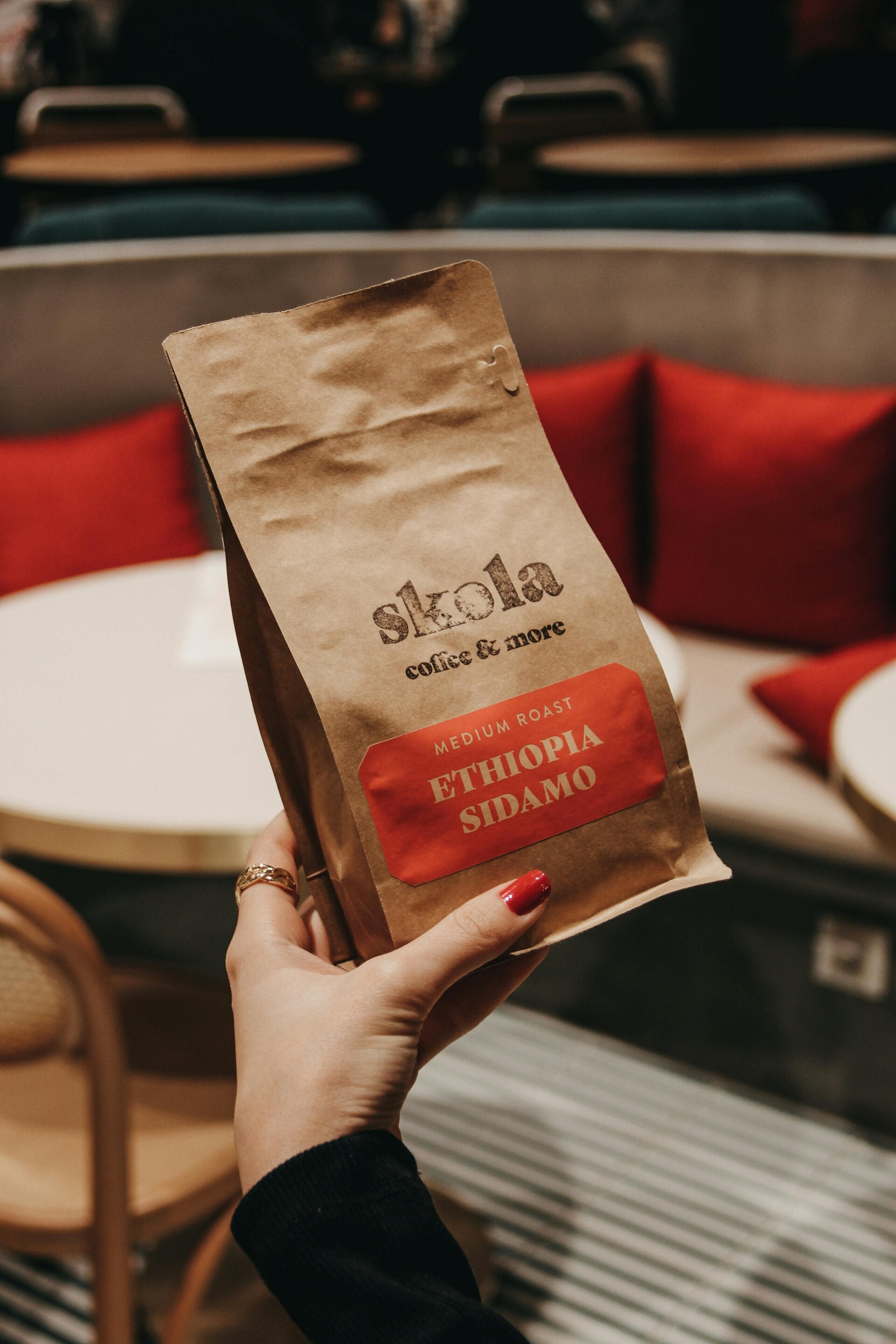
Brand identity also plays a significant role. A strong, recognizable identity—through logos, messaging, and visual presentation—creates familiarity. When customers recognize your brand easily, it reinforces confidence and makes them more likely to return.
Customer experience extends beyond the food itself. How customers are treated, whether in-person or online, shapes their perception. Respect, responsiveness, and professionalism signal that your brand values people, not just profit.
Word-of-mouth remains one of the most powerful tools in the food industry. When customers trust your brand, they naturally recommend it to others. Positive experiences turn into organic marketing that no advertisement can fully replicate.
Storytelling adds depth to your brand. Sharing the journey behind your recipes, your inspiration, or your company’s beginnings creates emotional connection. People are more likely to trust brands that feel human and relatable.
Adaptability is also essential. Tastes, trends, and dietary preferences evolve. A trusted brand listens to its audience and adjusts when necessary without losing its core identity. This balance shows both stability and awareness.
Cleanliness and food safety cannot be overlooked. These are non-negotiable elements of trust. Customers must feel assured that every product meets high standards of hygiene and care. Even one negative incident can significantly impact credibility.
Building trust also requires patience. It doesn’t happen overnight. It’s the result of repeated positive interactions over time. Each satisfied customer contributes to a larger reputation that strengthens your brand’s position.
Authenticity ties everything together. Customers can sense when a brand is genuine versus when it is simply following trends. Staying true to your values and delivering on your promises creates lasting loyalty.
Ultimately, building a food brand that people trust is about delivering more than just food—it’s about delivering consistency, honesty, and experience. When customers trust your brand, they don’t just buy from you once—they return, recommend, and become part of your story.




Add comment
Comments